

Table of Contents
Gonorrhea is a common sexually transmitted infection (STI) that can affect anyone who is sexually active. It is important to understand how it spreads, how to recognize its symptoms, and how to prevent or treat it. This article provides answers to the most commonly asked questions about Gonorrhea, offering information to help people understand the infection and take steps to protect themselves.
General Understanding of Gonorrhea
What is Gonorrhea?
Gonorrhea is a bacterial infection caused by Neisseria gonorrhoeae. It primarily affects the genital tract, but it can also infect the rectum, throat, and eyes.
What causes Gonorrhea?
Gonorrhea is caused by the bacterium Neisseria gonorrhoeae, which spreads during unprotected sexual contact with an infected person. The bacteria can infect the mucous membranes of the body, including the genital area, anus, and throat.
 Message Us on WhatsApp Now!
How common is Gonorrhea globally?
Gonorrhea is one of the most common STIs worldwide. The World Health Organization (WHO) estimates that there are over 80 million new cases of Gonorrhea each year globally.
Is Gonorrhea a sexually transmitted infection (STI)?
Yes, Gonorrhea is primarily transmitted through sexual contact, including vaginal, anal, and oral sex. It can also be spread from an infected mother to her baby during childbirth.
Read Our Article
Gonorrhea Home Test Kits in Kazakhstan for Sexual WellnessGonorrhea Transmission

How does Gonorrhea spread?
Gonorrhea spreads through direct contact with infected bodily fluids, typically during sexual activity. This includes vaginal, anal, and oral sex. The bacteria can infect the urethra, cervix, rectum, throat, and eyes.
Can Gonorrhea spread through oral or anal contact?
Yes, Gonorrhea can be transmitted through oral or anal sex. The infection can affect the throat (pharyngeal gonorrhea) or the rectum (rectal gonorrhea), leading to discomfort, pain, and possible complications if untreated.
Can you get Gonorrhea without sexual intercourse?
While sexual intercourse is the most common way Gonorrhea is transmitted, it can also spread through non-penetrative sexual contact (such as genital touching) or from an infected mother to her baby during childbirth.
Can Gonorrhea spread from mother to baby?
Yes, Gonorrhea can be transmitted from an infected mother to her baby during childbirth. This can lead to serious health complications for the baby, including eye infections, joint infections, and, in rare cases, blindness.
Our Other Products
iCARE HIV 1&2 Rapid Screen Test (Saliva)Gonorrhea Symptoms
What are the symptoms of Gonorrhea in men?
In men, symptoms of Gonorrhea can include:
- Painful urination
- Discharge from the penis (often yellow or green)
- Swelling or pain in the testicles
- Sore throat (if the infection is oral)
 Email Us!
What are the symptoms of Gonorrhea in women?
Women may experience:
- Painful urination
- Increased vaginal discharge
- Bleeding between periods
- Pain during intercourse
- Abdominal or pelvic pain
However, many women may have no symptoms at all, which is why regular testing is important.
Can Gonorrhea have no symptoms?
Yes, Gonorrhea can be asymptomatic, meaning many people may not experience any symptoms. This is especially common in women, who may not notice the infection until it leads to complications.
How long after exposure do Gonorrhea symptoms appear?
Symptoms of Gonorrhea usually appear within 2 to 10 days after exposure, though they may take longer or never appear at all in some individuals.
Gonorrhea Diagnosis & Testing
How is Gonorrhea diagnosed?
Gonorrhea is diagnosed through laboratory tests that involve taking a sample from the infected area, such as the urine, urethra, cervix, throat, or rectum. A swab test or urine test is commonly used.
What tests are used to detect Gonorrhea?
- Nucleic Acid Amplification Test (NAAT): A sensitive test that detects the genetic material of the bacteria.
- Culture test: A sample is grown in a lab to confirm the presence of Neisseria gonorrhoeae.
- Gram stain: A microscope test that can identify the bacteria in fluid samples (mostly used for urethral infections).
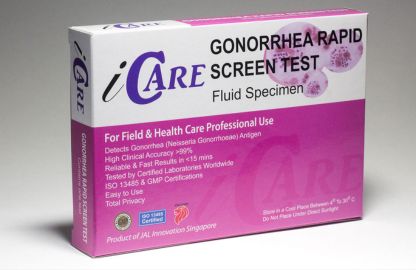
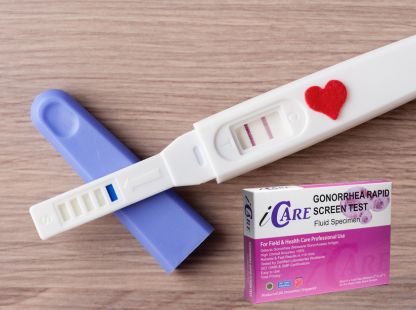
- iCare Gonorrhoea Rapid Test Kit: Jal Medical’s iCARE Gonorrhea Rapid Test kit is a landmark in the detection of gonorrhea.
How accurate are Gonorrhea tests?
Gonorrhea tests, particularly NAATs, are highly accurate. When used correctly, these tests can detect the infection with a very high degree of reliability.
When should you get tested for Gonorrhea after exposure?
It is recommended to get tested as soon as possible after a known exposure, ideally within 2 to 7 days. If you are unsure of when you were exposed, wait at least 1 to 2 weeks for more accurate results.
Read Our Article
The iCARE Gonorrhea Rapid Test Kit in West AfricaGonorrhea Treatment
Is Gonorrhea curable?
Yes, Gonorrhea is curable with the right antibiotics. If treated properly, the infection can be cleared completely.
What antibiotics are used to treat Gonorrhea?
Gonorrhea is typically treated with a combination of antibiotics, usually a single dose of an injectable antibiotic (such as ceftriaxone) along with oral antibiotics (like azithromycin).
How long does Gonorrhea treatment take?
Treatment for Gonorrhea usually requires just one dose of antibiotics, although in some cases, a second dose or further treatment may be required if symptoms persist or complications arise.
 Contact Us
What happens if Gonorrhea is not treated?
If left untreated, Gonorrhea can lead to severe complications such as pelvic inflammatory disease (PID) in women, epididymitis in men, and infertility. The infection may also spread to the blood or joints, which can be life-threatening.
Can Gonorrhea come back after treatment?
Yes, it is possible to get Gonorrhea again after treatment, especially if you are exposed to the bacteria by a new sexual partner or through unprotected sexual contact.
Drug Resistance
What is antibiotic-resistant Gonorrhea?
Antibiotic-resistant Gonorrhea refers to strains of the bacteria that are no longer effectively treated with standard antibiotics. Overuse and misuse of antibiotics have contributed to the emergence of resistant strains.
Why is Gonorrhea becoming harder to treat?
Gonorrhea is becoming harder to treat due to the development of antibiotic resistance. The bacteria have developed the ability to survive despite treatment with common antibiotics, requiring stronger or alternative medications.
Is resistant Gonorrhea a global concern?
Yes, antibiotic-resistant Gonorrhea is a growing public health issue worldwide. The WHO and CDC have raised concerns about this trend, as it complicates treatment and increases the risk of complications.
Complications of Gonorrhea
What complications can Gonorrhea cause in women?
Untreated Gonorrhea in women can cause:
- Pelvic inflammatory disease (PID)
- Infertility
- Ectopic pregnancy (a pregnancy outside the uterus)
- Chronic pelvic pain
Call Now!
What complications can Gonorrhea cause in men?
In men, untreated Gonorrhea can lead to:
- Epididymitis (painful swelling of the testicles)
- Urethral strictures (narrowing of the urethra)
- Infertility
Can Gonorrhea cause infertility?
Yes, if untreated, Gonorrhea can cause permanent damage to the reproductive organs, leading to infertility in both men and women.
Can Gonorrhea increase HIV risk?
Yes, Gonorrhea can increase the risk of HIV transmission. Open sores or inflammation caused by Gonorrhea can make it easier for the HIV virus to enter the body.
Our Other Products
iCARE Chlamydia Rapid Screen TestPregnancy & Newborns
How does Gonorrhea affect pregnancy?
Gonorrhea during pregnancy can lead to complications such as premature birth, low birth weight, and the risk of passing the infection to the baby during delivery.
Can babies be born with Gonorrhea?
Yes, a baby can be born with Gonorrhea if the mother is infected during childbirth. This can cause eye infections, joint infections, or more severe health issues if left untreated.
Prevention of Gonorrhea
How can Gonorrhea be prevented?
The best way to prevent Gonorrhea is by practicing safe sex, including using condoms or dental dams, and limiting the number of sexual partners.
Do condoms fully prevent Gonorrhea?
Condoms are highly effective at preventing the spread of Gonorrhea, but they do not provide 100% protection. The infection can still spread through contact with areas not covered by a condom, such as the skin around the genital area.
How often should sexually active people get tested?
Sexually active people, particularly those with multiple partners or who do not consistently use protection, should get tested for Gonorrhea at least once a year. Individuals in higher-risk categories may need more frequent testing.
Myths & FAQs on Gonorrhea
Can Gonorrhea go away on its own?
No, Gonorrhea will not go away on its own. It requires medical treatment with antibiotics to clear the infection.
Can Gonorrhea be transmitted through kissing?
Gonorrhea is not typically transmitted through kissing. However, if an individual has an oral infection with Gonorrhea, there is a risk of transmission during oral sex.
Can you get Gonorrhea more than once?
Yes, it is possible to get Gonorrhea more than once if you are exposed to the bacteria again. This is why regular testing and safe sexual practices are essential.
Is Gonorrhea life-threatening?
If left untreated, Gonorrhea can cause serious complications that can threaten a person’s health, but it is not typically life-threatening if diagnosed and treated early.
Global Health Perspective
Why is Gonorrhea a public health concern worldwide?
Gonorrhea is a significant public health issue due to its high prevalence, potential for complications, and increasing antibiotic resistance. Efforts to control Gonorrhea focus on education, prevention, and ensuring access to effective testing and treatment.
What are global screening and prevention strategies for Gonorrhea?
Global strategies to combat Gonorrhea include increasing access to education, testing, and treatment, promoting condom use, and working to address antibiotic resistance. Many organizations also emphasize the importance of regular STI screening for sexually active individuals.