

Table of Contents
Objective
This article seeks to analyze the systemic and geographic drivers in the Philippines fueling the hyper-concentration of HIV cases within the National Capital Region (NCR) and its adjacent urban corridors. It investigates how high population density and internal migration facilitate rapid sexual transmission networks, while exposing the “urban healthcare paradox” where centralized facilities face congestion and stigma barriers that deter access. Ultimately, the objective is to highlight the urgent need for decentralized testing solutions and community-based interventions to effectively contain the epidemic in the country’s economic epicenter.
Introduction
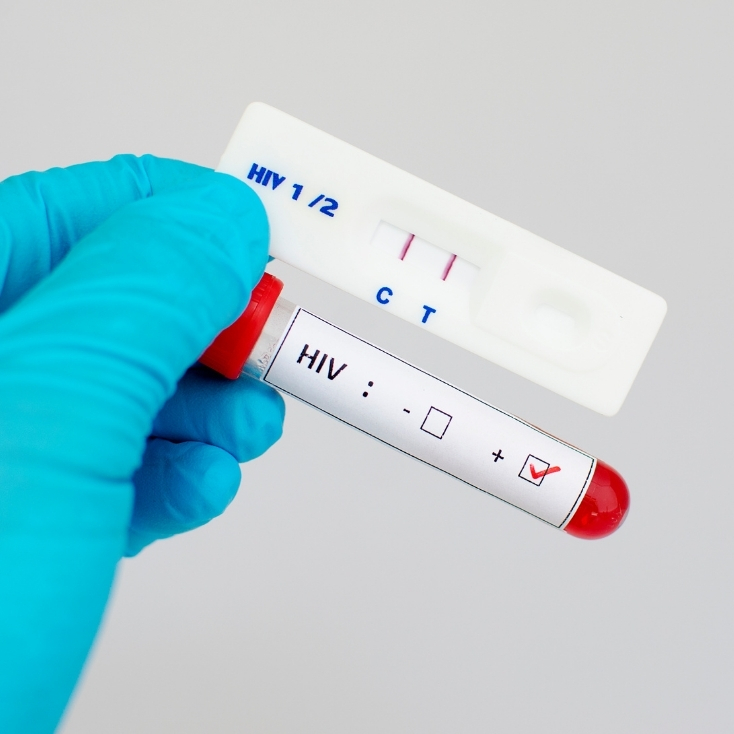
The epidemiology of Human Immunodeficiency Virus (HIV) in the Philippines is characterized by a stark geographic imbalance. While the epidemic is national in scope, it is hyper-concentrated in specific urban corridors. The National Capital Region (NCR), Metro Manila, consistently serves as the engine of the epidemic, frequently accounting for a third or more of new daily infections. When combined with the adjacent regions of Central Luzon (Region 3) and CALABARZON (Region 4A), this “Greater Manila” area is responsible for the vast majority of the country’s HIV burden. Understanding why the virus thrives in these urban centers requires analyzing the interplay of population density, internal migration, and the paradoxical state of urban healthcare accessibility.
The Density Effect: Sexual Networks in the Megacity
The primary driver of the NCR’s high infection rate is the sheer density of sexual networks facilitated by urbanization. Metro Manila is one of the most densely populated cities in the world. This density reduces the “search cost” for sexual partners, allowing for the rapid formation of overlapping sexual networks, particularly among men who have sex with men (MSM).
In rural settings, sexual networks may be smaller and more fragmented. In the metropolis, the anonymity provided by the crowd, combined with the proliferation of location-based dating apps, allows for high-velocity transmission. The virus moves quickly because people move quickly. The concentration of entertainment districts, nightlife, and lifestyle establishments in cities like Quezon City and Taguig creates physical hubs where high-risk behaviors are normalized. Consequently, the demand for accessible diagnostics, such as the HIV Rapid Screen Test, is highest in these areas, yet the stigma often drives individuals to seek anonymity rather than visiting public facilities.

The Mobility Factor: Internal Migration and the Viral Corridor
Metro Manila is not a static population; it is a magnet for internal migration. Millions of young Filipinos from the provinces migrate to the NCR and surrounding regions (CALABARZON and Central Luzon) for employment, particularly in the construction, service, and Business Process Outsourcing (BPO) sectors. This internal migration creates a “mobile population” that is vulnerable to infection.
Young workers, often living away from their families for the first time, experience a newfound sexual freedom in the city. However, they often lack the support systems and health knowledge to navigate this environment safely. The geographic connectivity between Metro Manila and its suburbs creates a “viral corridor.” A worker might live in Cavite (CALABARZON), work in Makati (NCR), and socialize in Quezon City, effectively bridging sexual networks across regional boundaries.
This high mobility makes tracking the epidemic difficult. For a transient workforce, visiting a stationary clinic during working hours is logistically challenging. This has spurred a growing interest in portable diagnostic solutions. The availability of an HIV home test kit or an instant home HIV test kit is becoming increasingly vital for these mobile workers who cannot afford to take a day off for a clinic visit.
The Urban Healthcare Paradox: Access vs. Congestion
Theoretically, the NCR has the best healthcare infrastructure in the country. It houses the most advanced treatment hubs and the highest concentration of infectious disease specialists. However, this accessibility is a double-edged sword. Because provincial healthcare facilities can be perceived as lacking in quality or privacy, patients from surrounding provinces often travel to Metro Manila for treatment, leading to severe congestion in the capital’s clinics.
This overcrowding results in long wait times and “compassion fatigue” among overworked healthcare staff, which can deter patients from returning. A young person searching for HIV Testing Near Me may find a clinic, but if the experience involves a four-hour wait in a crowded corridor, they are unlikely to return for follow-up or treatment.
To decongest these hubs, there is an urgent move toward decentralization and the use of more efficient testing technologies. Clinics are increasingly relying on high-throughput solutions from a reliable HIV Test Kit manufacturer to speed up screening. The gold standard for early detection, the HIV 1&2 4th Generation Test, is widely sought after in these urban centers because it can detect infection during the acute window period, which is crucial for halting rapid transmission in a dense population.

Bridging the Gap: Private and Self-Testing Options
The limitations of public clinics in the NCR have given rise to a private market for sexual health. To avoid the stigma and inconvenience of government “Social Hygiene Clinics,” many urbanites turn to private HIV Test Kit Suppliers or order tests online. The rise of the HIV Oral Swab Test and HIV Saliva Rapid Screen Test has been a game-changer for the urban demographic. These tests are perceived as less invasive and can be done in the privacy of one’s apartment.
Furthermore, ensuring the quality of these decentralized tests is paramount. Public health advocates emphasize the use of a WHO PQ LISTED HIV 1&2 RAPID TEST to ensure that self-testing does not lead to false negatives. The urban centers are also seeing a rise in “boutique” clinics that offer Confidential HIV Testing with extended hours to cater to the BPO workforce and night economy workers.
Conclusion
The concentration of HIV cases in Metro Manila and its neighboring regions is a product of modern urban dynamics: high population density, intense internal migration, and a healthcare system that is struggling to keep pace with demand. While the NCR offers the most resources, it also presents the most significant logistical barriers to privacy and speed. Reversing the trend will require more than just building more clinics; it demands a strategy that embraces the mobility of the population, utilizing tools like the HIV Self-Test Kit and strengthening the supply chain of HIV 1&2 test kits to bring diagnostics out of congested hospitals and into the communities where the virus is spreading most rapidly.
FAQs
Why are HIV cases increasing so rapidly in the Philippines?
The Philippines has the fastest-growing HIV epidemic in the Asia-Pacific region, with daily diagnoses rising from single digits a decade ago to approximately 57 new cases per day in 2025. The primary drivers are unprotected sexual contact (accounting for 96% of new cases), particularly among men who have sex with men (MSM), and low condom usage. Additionally, the rise of dating apps has created dense sexual networks that facilitate rapid transmission, while knowledge about prevention remains low due to gaps in sex education.
Who is most at risk of contracting HIV?
The epidemic is predominantly affecting young males. Data from the first quarter of 2025 shows that one-third of newly diagnosed cases are among youth aged 15 to 24. The majority of infections occur among MSM. There is also a concentrated epidemic among People Who Inject Drugs (PWID), specifically in the Central Visayas region.
Can a minor get tested for HIV without parental consent?
Yes, but with age restrictions. Under Republic Act 11166 (The Philippine HIV and AIDS Policy Act of 2018), minors aged 15 to 17 years old can undergo voluntary HIV testing without the consent of a parent or guardian. However, those under 15 still require consent from a parent, guardian, or social worker, which remains a barrier to access.
Is HIV treatment free in the Philippines?
Yes. Antiretroviral therapy (ART) is provided for free at government-designated HIV treatment hubs. Additionally, the PhilHealth Outpatient HIV/AIDS Treatment (OHAT) package provides an annual reimbursement of PHP 30,000 to cover medicines, laboratory fees, and professional fees. However, patients may still face out-of-pocket costs for specific tests not covered by the package, and some have reported issues with stockouts of medicines.
What is "Chemsex" and why is it a concern?
"Chemsex" refers to the use of psychoactive drugs—most commonly methamphetamine (shabu) or nalbuphine—to enhance sexual experiences. It is a significant driver of the epidemic among Filipino MSM because it lowers inhibitions, often leading to prolonged, condomless sex with multiple partners. Recent studies show that engaging in chemsex significantly increases the odds of testing positive for HIV.
Can I be fired from my job if I test positive for HIV?
No. Republic Act 11166 strictly prohibits discrimination in the workplace based on actual, perceived, or suspected HIV status. This includes refusal to hire, unlawful termination, or forcing an employee to resign [However, despite the law, stigma persists, and many workers fear disclosing their status due to a lack of enforcement mechanisms].
What regions in the Philippines have the highest number of cases?
The epidemic is concentrated in urban centers. The National Capital Region (NCR), CALABARZON (Region 4A), and Central Luzon (Region 3) consistently report the highest numbers of new cases. Central Visayas (Region 7) is also a major hotspot, particularly notable for having 99% of the country's cases linked to needle-sharing.
What is "Advanced HIV Disease" and why is it common?
Advanced HIV Disease (AHD), formerly known as AIDS, occurs when the immune system is severely damaged. In early 2025, approximately 22% of new diagnoses were already in the advanced stage at the time of testing. This "late presentation" indicates that people are waiting too long to get tested, often due to stigma or lack of access, which increases the risk of mortality.
What is PrEP and where can I get it?
Pre-Exposure Prophylaxis (PrEP) is a medicine taken by HIV-negative individuals to prevent infection. It was rolled out in the Philippines (Project PrEPPY) and is available in designated treatment hubs and community centers like LoveYourself. However, uptake remains low, with most enrollees concentrated in Metro Manila, leaving those in provinces with limited access.
What does "Undetectable = Untransmissible" (U=U) mean?
U=U means that a person living with HIV who is on effective treatment and has an "undetectable" viral load cannot sexually transmit the virus to others. While this is the goal of treatment, the Philippines is struggling to meet this target; as of 2025, only 40% of those on treatment have achieved viral suppression, meaning transmission is still occurring at high rates.