

Table of Contents
AI Summary
This article explores the complex cultural, legal and social barriers surrounding access to HCG pregnancy test kits in Iran. It highlights how traditional beliefs, stigma around sexual and reproductive health, restrictive legal frameworks and gender inequality limit women’s ability to access early pregnancy detection tools. The discussion also addresses the psychological impact of delayed testing, the additional challenges faced by adolescents, rural women and undocumented migrants, and the broader implications for maternal health and family planning. The article emphasizes the need for education, policy reforms and improved healthcare integration to ensure equitable access to pregnancy test kits and better health outcomes for women across Iran.
Introduction
Access to HCG pregnancy test kits in Iran is shaped not only by medical availability but also by deep-rooted cultural norms, legal restrictions and gender dynamics. In a society where reproductive health remains a sensitive and often stigmatized topic, many women face barriers in obtaining timely and reliable pregnancy testing. Limited awareness, social pressure and unequal healthcare access further complicate early pregnancy detection, directly impacting maternal health and women’s autonomy. Understanding these challenges is essential to improving reproductive healthcare systems and promoting gender equity in Iran.
What Are the Cultural Barriers and Misconceptions Around HCG Pregnancy Test Kits in Iran?
Accessing pregnancy test kits, such as the HCG pregnancy test, can be a challenge for many women in Iran due to various cultural barriers and misconceptions. In Iran, pregnancy testing often holds significant social and cultural weight. A woman’s reproductive choices are often influenced by traditional beliefs and societal pressures, leading to a lack of open discussion about pregnancy detection methods. Misconceptions surrounding the accuracy and necessity of early pregnancy tests persist, making it difficult for women to gain the knowledge they need to make informed decisions. Cultural taboos around sexual health also contribute to the hesitation in seeking out pregnancy test kits, as women may fear social stigma. These barriers not only delay the discovery of pregnancy but also complicate timely medical intervention.
 Email Us Today!
How Do Pregnancy Test Kits (HCG) Affect Women’s Rights and Reproductive Health in a Restricted Legal Environment?
In Iran, women’s rights related to reproductive health, including access to pregnancy test kits, are heavily restricted by laws and regulations. The limited availability of reliable pregnancy test kits, such as the HCG pregnancy rapid test, is compounded by the country’s complex legal environment, where women’s autonomy over their reproductive choices is often limited. Women face numerous challenges in accessing the necessary supplies for pregnancy detection, as well as in obtaining information regarding the legal and medical implications of pregnancy. While the HCG pregnancy test kit is available in some urban areas, rural women and those living in more conservative regions face significant barriers to access, making early detection and family planning difficult. These legal limitations often extend to a woman’s ability to make decisions about abortion, maternity leave and healthcare services.
What is the Psychological Impact of Limited Access to HCG Rapid Tests for Early Pregnancy Detection?
Limited access to early pregnancy tests, such as the HCG test at home, can have profound psychological effects on women. The inability to confirm pregnancy early can lead to anxiety, uncertainty and even depression. This is particularly true in a society where women are expected to manage their reproductive health under considerable social and familial pressure. For many women, especially those without ready access to pregnancy test kits, the psychological burden of waiting for confirmation or dealing with unplanned pregnancies can be overwhelming. This delay in testing may also increase the risks of complications during pregnancy, as women might not seek prenatal care promptly, which can have long-term impacts on their mental and physical health.
Why Education and Awareness on Pregnancy Test Kits (HCG) Essential for Women’s Health?
Education and awareness about the availability and importance of pregnancy test kits are essential for women in Iran. Without sufficient knowledge about the various types of pregnancy tests, such as HCG pregnancy rapid test strip, women may not recognize the significance of early pregnancy detection or understand how to use these tests effectively. Improved education on these tools can empower women to take control of their reproductive health, leading to better decision-making. Moreover, understanding how to access and properly use an HCG pregnancy test kit would ensure that women can monitor their pregnancy status in a timely manner, which is critical for maternal health.
How Can Pregnancy Test Kits (HCG) Address Gender Equity Issues in Health Care Access for Women?
Gender equity remains a significant issue in Iran, particularly in the context of healthcare access. Women, especially those in rural or underserved areas, often face discrimination when trying to access health services, including pregnancy test kits. The availability of HCG pregnancy test kits in Iran is often limited and women must navigate a complex healthcare system to obtain them. In many cases, women face logistical and financial barriers in purchasing pregnancy test kits. The lack of accessibility to such critical healthcare tools exacerbates gender disparities, denying women the opportunity to make informed decisions about their reproductive health. Ensuring equal access to pregnancy testing is an essential step toward achieving gender equity in health care.
What Are the Pregnancy Diagnosis Challenges for Undocumented Migrant Women Using HCG Pregnancy Rapid Tests?
Migrant populations, particularly Afghan refugees in Iran, face additional challenges in accessing pregnancy testing kits. These women, often living in marginalized conditions, struggle to find reliable healthcare services, including the ability to purchase or use a pregnancy test kit. The lack of proper documentation and fear of legal repercussions further discourages them from seeking medical help. This gap in healthcare access increases the risk of adverse pregnancy outcomes and complicates efforts to manage maternal health. As these women face compounded social, legal and financial obstacles, they are more likely to encounter delays in pregnancy detection, leading to poorer health outcomes for both mother and child.
Why is Ready Access to HCG Pregnancy Test Kits Crucial for Adolescents and Young Women?
Adolescents and young women in Iran often face heightened vulnerability when it comes to accessing pregnancy test kits. Due to cultural stigma, limited education on reproductive health and a lack of resources, many young women are unaware of how to use pregnancy test kits such as the HCG pregnancy rapid test. Early access to pregnancy testing is crucial for young women as it allows them to make timely decisions about their health and future. Inadequate access to these tools may increase the likelihood of unplanned pregnancies, leading to potentially severe social and psychological consequences for young women who may not have the support or resources to handle such situations.
 Call Us Now!
What are Healthcare Workers’ Perspectives on the Use of HCG Pregnancy Test Kits in Iran’s Health System?
Healthcare workers in Iran play a crucial role in educating women about pregnancy testing and ensuring that pregnancy test kits, are available to those who need them. However, due to societal norms and limitations within the healthcare system, healthcare workers often face difficulties in providing adequate support to women seeking pregnancy tests. These professionals often find themselves caught between adhering to medical protocols and navigating the legal and social restrictions imposed on women’s reproductive health choices. Their ability to provide accurate, compassionate care is often hindered by the limited availability of resources and the restrictive legal framework surrounding reproductive health.
How Increased Access to Pregnancy Tests Can Improve Maternal Mortality Rates?
Increasing access to pregnancy test kits, particularly HCG pregnancy rapid test strips, can play a significant role in improving maternal mortality rates in Iran. Early pregnancy detection allows women to seek prenatal care early in their pregnancies, which can prevent complications and ensure better health outcomes for both mother and child. Providing women with easy access to advanced pregnancy test kits is a critical first step in ensuring that they can make informed decisions about their health. Additionally, timely testing helps in identifying high-risk pregnancies and ensures that women receive appropriate medical care and interventions during pregnancy.
How Can Pregnancy Test Kits (HCG) Be Linked to Comprehensive Prenatal Services for Better Health Outcomes?
Integrating pregnancy test kits, such as the HCG pregnancy test kit, into a broader framework of prenatal services is essential for improving maternal health in Iran. Pregnancy tests act as the first step in a continuum of care that leads to comprehensive prenatal services, including regular check-ups, ultrasound scans and nutritional support. Linking early pregnancy detection with prenatal care ensures that women receive timely medical interventions, which are crucial for preventing pregnancy-related complications. This integration also supports informed family planning and healthy birth outcomes.
What Role Does HCG Pregnancy Test Kit Play in Family Planning and Ensuring Healthy Birth Outcomes?
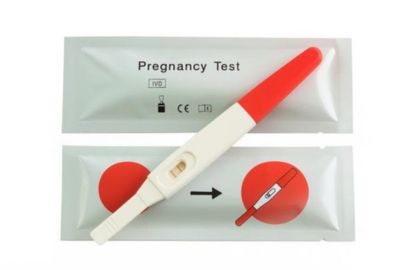
Pregnancy detection plays a vital role in family planning and ensuring healthy birth outcomes. The availability of reliable pregnancy test kits, such as the HCG pregnancy rapid test, helps women plan their pregnancies and access medical care early on. Early pregnancy testing allows women to make informed decisions about their health, including whether to continue with the pregnancy or seek additional medical guidance. Furthermore, early detection contributes to better maternal health outcomes by providing women with the time to access proper prenatal care and avoid potential complications.
What Policy Reforms are needed to Improve Access to Pregnancy Test Kits (HCG) in Iran?
To improve access to pregnancy test kits and ensure equitable healthcare for all women in Iran, policy reforms are necessary. These reforms should include making pregnancy test kits, such as the HCG test at home, more widely available, especially in rural and underserved areas. Additionally, increasing public awareness and education about reproductive health is essential. Policies should also focus on breaking down cultural taboos and encouraging open discussions around reproductive health, allowing women to access pregnancy tests without fear of stigma. Furthermore, extending healthcare rights to migrant and undocumented women will help address the gaps in pregnancy diagnosis and maternal care.
Why Choose Jal Medical in Accessing Pregnancy Test Supplies for Women in Iran
Jal Medical is a trusted manufacturer, supplier, exporter and distributor of advanced diagnostic solutions, including pregnancy test kits. The company specializes in high-quality in-vitro immunodiagnostic test systems and electrical bio-sensing systems, offering a wide range of diagnostic solutions such as the HCG pregnancy rapid test and other fertility and health-related tests. Jal Medical’s commitment to providing quick and reliable results ensures better diagnosis and medical treatment for various health conditions, including pregnancy detection. Their extensive product portfolio includes glucose meters, rapid screen tests and comprehensive diagnostic tools for women’s health, making them a leading name in the field of diagnostic solutions.
Conclusion
Improving access to HCG pregnancy test kits in Iran is essential for empowering women with the tools they need to make informed decisions about their reproductive health. Overcoming cultural barriers, legal restrictions and gender disparities in healthcare is key to improving maternal health outcomes. Enhanced education, policy reforms and the integration of digital health innovations can further support women’s access to early pregnancy detection. Ultimately, ensuring access to reliable pregnancy test kits is a critical step toward better health and gender equity in Iran.
FAQs
What is an HCG pregnancy test and how does it work?
An HCG pregnancy test detects the presence of the hormone HCG in urine to confirm pregnancy.
Can I use a pregnancy test kit at home?
Yes, pregnancy test kits such as the HCG rapid test are designed for home use and provide quick results.
What is the best time to use a pregnancy test kit?
It is best to use a pregnancy test after a missed period for accurate results.
How reliable is the HCG pregnancy test kit?
When used correctly, the HCG pregnancy test kit is highly reliable and accurate in detecting pregnancy.
Where can I buy HCG pregnancy test kits in Iran?
HCG pregnancy test kits are available in pharmacies and healthcare stores across Iran, with various brands offering different types.