

Table of Contents
What Is Chlamydia? Understanding the Causes, Symptoms, and Treatment
Chlamydia is a bacterial infection caused by the pathogen Chlamydia trachomatis. Globally, it is recognized as the most frequently diagnosed bacterial sexually transmitted infection (STI). Its success as a pathogen is largely due to its status as an obligate intracellular bacterium, meaning it lives and replicates inside human cells. This allows it to often evade the host’s immediate immune response, leading to long-term colonization.
While the treatment is a straightforward course of antibiotics, the causes are rooted in unprotected mucosal contact. Whether through vaginal, anal, or oral sex, the bacteria are highly efficient at moving between hosts. Because it can infect the throat and rectum as well as the genitals, comprehensive testing is essential for anyone who is sexually active.
How Common Is Chlamydia and Why It Often Goes Undetected
According to the World Health Organization (WHO), over 127 million new cases of Chlamydia occur annually. The reason it often goes undetected is its “asymptomatic” nature. In the medical community, Chlamydia is known as the “silent” infection because up to 80% of women and 50% of men show no outward clinical signs.
Without a visible rash, painful sores, or significant discharge, many individuals continue their lives—and sexual activity—without realizing they are carriers. This lack of biological “red flags” is why public health experts emphasize that “feeling fine” is not a substitute for a laboratory test.
Chlamydia vs. Other STIs: Key Differences Explained for Patients
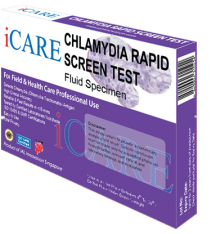
Understanding the key differences between Chlamydia and other infections is vital for accurate diagnosis and effective treatment. Many patients mistakenly assume that all STIs present with similar symptoms.
- Chlamydia vs. Gonorrhea: Both cause discharge and painful urination. However, Gonorrhea symptoms are usually more “purulent” (thick, yellow/green pus), whereas Chlamydia is usually “watery” or “milky.”
- Chlamydia vs. Syphilis: Syphilis is characterized by painless sores (chancres) or body rashes; Chlamydia is purely an internal mucosal infection.
- Chlamydia vs. UTI: Many women confuse Chlamydia with a Urinary Tract Infection (UTI). While both cause a burning sensation during urination, a UTI is typically caused by E. coli from the digestive tract, whereas Chlamydia is a specific reproductive pathogen that requires different antibiotics.
Early Signs and Symptoms of Chlamydia in Men and Women
When signs and symptoms do appear—usually 1 to 3 weeks after exposure—they serve as a critical warning of an active infection.
Symptoms in Women
- Abnormal Discharge: A change in color, consistency, or odor of vaginal fluids.
- Intermenstrual Bleeding: Spotting between periods or bleeding after sexual intercourse.
- Dysuria: A painful, burning sensation when passing urine.
- Pelvic Pain: A dull ache in the lower abdomen, indicating the infection may be spreading to the uterus.
Symptoms in Men
- Testicular Tenderness: Pain or swelling in one or both testicles.
- Penile Discharge: A watery or cloudy “drip” from the tip of the penis.
- Urethral Itching: Persistent irritation or tingling inside the penis.
Asymptomatic Chlamydia: Why Global Testing Is Critical
Because the infection is so frequently asymptomatic, waiting for pain to appear is a dangerous medical strategy. By the time a patient feels “sick,” the bacteria may have already caused permanent internal scarring.
Global health authorities suggest that anyone with a new partner or multiple partners should undergo screening at least once a year. Regular testing is the only definitive way to break the chain of transmission and protect your long-term reproductive health.
How Is Chlamydia Diagnosed? Tests, Accuracy, and Timing
The accuracy and timing of your test are paramount to avoiding a “false negative” result.
The Window Period
The “window period” is the time it takes for the bacteria to reach detectable levels. For Chlamydia, this is typically 7 to 14 days after exposure. Testing the day after an encounter will likely result in a negative test, even if the infection is present.
Modern Diagnostic Methods
- NAAT (Nucleic Acid Amplification Test): This is the gold standard for diagnosis globally. It amplifies the DNA of the bacteria, making it nearly 99% accurate.
- Samples: For men, a “first-catch” urine sample is standard. For women, a vaginal swab (which can often be self-collected) is preferred over urine for higher accuracy.
Chlamydia Treatment Options: Antibiotics, Dosage, and Recovery
The treatment options for Chlamydia are highly effective and 100% curative if followed correctly.
- Doxycycline: Currently the first-line treatment recommended by the CDC and WHO. It typically involves a 7-day course of twice-daily pills.
- Azithromycin: Often used for patients with compliance issues or allergies, sometimes administered in a single large dose.
- The 7-Day Rule: Patients must abstain from all sexual contact for 7 days after completing their medication to ensure they do not pass the infection back and forth with a partner.
What Happens If Chlamydia Is Left Untreated Globally?
If left untreated, Chlamydia does not “clear up” on its own. The bacteria continue to multiply and migrate deeper into the body.
In women, this leads to Pelvic Inflammatory Disease (PID). PID causes scarring of the fallopian tubes, which is a leading cause of ectopic pregnancy (where the embryo implants outside the uterus) and permanent infertility. In men, untreated Chlamydia can cause Epididymitis, leading to chronic pain and potential fertility issues. Globally, it remains a primary cause of preventable blindness in newborns.
Chlamydia and Pregnancy: Global Risks for Mother and Baby
The risks for mother and baby make Chlamydia screening a mandatory part of prenatal care in most countries.
If a mother is infected during childbirth, the bacteria can be transferred to the infant’s eyes and lungs. This can result in neonatal conjunctivitis (which can lead to blindness if untreated) or neonatal pneumonia. Furthermore, untreated Chlamydia is associated with a higher risk of preterm labor and low birth weight.
Can Chlamydia Come Back After Treatment? Causes of Reinfection
A common question is: Can Chlamydia come back? The answer is yes, but not because the bacteria survived the antibiotics.
Chlamydia Reinfection occurs when a patient is cured but their sexual partner is not. If both partners are not treated simultaneously, they will continue to pass the bacteria back and forth—a phenomenon known as “ping-ponging.” Global health protocols recommend that all partners from the last 60 days be notified and treated.
Chlamydia Screening Guidelines for Women: A Global Standard
Globally, screening guidelines have shifted to prioritize young, sexually active populations.
- Annual Screening: Recommended for all women under 25.
- Pregnancy Screening: Mandatory at the first prenatal visit.
Re-testing: Because reinfection rates are so high, doctors recommend a follow-up test 3 months after treatment to confirm the patient remains negative.
 Contact Us
Chlamydia and Testicular Pain: Is There a Link for Men?
In men, the primary complication beyond simple discharge is testicular pain. This pain is usually a sign of Epididymitis—inflammation of the tube at the back of the testicle. If you experience redness, swelling, or a dull ache in the scrotum, it is a medical emergency that requires immediate antibiotics to prevent the risk of abscesses or permanent damage to the reproductive ducts.
Chlamydia Awareness: Reducing Stigma and Encouraging Testing
The stigma surrounding STIs is the greatest ally of the bacteria. Many people avoid testing because they feel ashamed or assume that only “certain types of people” get infections.
Normalizing Sexual Health
To improve public health, we must treat Chlamydia screening as a routine part of adult healthcare. By using discreet Chlamydia rapid test kit, patients can take control of their health without fear of judgment. Normalizing the conversation about STIs is the only way to ensure that “silent” infections are caught before they cause permanent damage.
How to Prevent Chlamydia: Safe Sex Practices Beyond Condoms
While condoms are the most effective barrier, a comprehensive prevention strategy includes:
- Consistent Condom Use: Using latex or polyurethane condoms for every sexual act.
- Regular Screenings: Testing between every new partner.
- Partner Communication: Having an open “talk” about STI status before intimacy.
- Doxy-PEP: An emerging global trend where a dose of Doxycycline is taken after unprotected sex to prevent bacterial STIs in high-risk groups.
Importance of Regular STI Screening: A Public Health Mandate
The importance of regular screening cannot be overstated. From a community perspective, every individual who gets tested and treated effectively “kills” a branch of the transmission tree. Regular screening reduces the overall “community load” of bacteria, making everyone in the population safer. It is the most cost-effective way to prevent the massive healthcare costs associated with treating infertility and chronic pelvic pain.
Chlamydia Prevention Tips for Young Adults
For the 18–25 demographic, these prevention tips are essential:
- Always wait for the window period: Don’t test the morning after; wait 7-14 days.
- Complete the meds: Even if you feel 100% better on day three, finish the 7-day course.
- Use Dental Dams: Remember that Chlamydia can live in the throat; oral sex requires protection too.
- Verify your partner’s treatment: Don’t take their word for it; ensure they have also completed a medical consultation.
Is Chlamydia Curable? Myths vs. Facts
To conclude, let’s address the most common global myths:
- Myth: Chlamydia goes away on its own.
- Fact: It can persist for years, causing cumulative damage to your organs.
- Myth: You can get it from a swimming pool.
- Fact: The bacteria are fragile and die quickly outside the human body. It requires direct mucosal contact.
- Myth: If I have no symptoms, I don’t have it.
- Fact: Most people with Chlamydia have zero symptoms.
 Call Now!
Side Effects of Chlamydia Treatment You Should Know
When undergoing treatment, it is helpful to be aware of potential side effects of antibiotics like Doxycycline:
- Sun Sensitivity: You may burn more easily in the sun.
- Gastrointestinal Upset: Nausea or diarrhea can occur; taking the meds with food (unless told otherwise) helps.
- Yeast Infections: In women, antibiotics can kill “good” bacteria, leading to a secondary thrush infection.
Pelvic Inflammatory Disease (PID) and Chlamydia
We cannot discuss Chlamydia without emphasizing the danger of PID. This condition is the result of the bacteria “climbing” into the uterus and fallopian tubes. It is often characterized by a high fever, severe abdominal pain, and an increased heart rate. If you experience these symptoms, seek emergency care immediately, as it indicates a systemic infection that could lead to sepsis or permanent infertility.
Conclusion: Taking Charge of Your Sexual Health
Chlamydia is a manageable, curable, and preventable infection. By staying informed about the causes, symptoms, and treatment, and by committing to regular STI screening, you are protecting not only your own future but the health of your partners. At Jal Medical, we believe that knowledge is the first step toward a healthier, stigma-free world.