

Table of Contents
Objective:
This article provides a clear and accessible explanation of how community-based drug screening using DOA testing kits can support Afghanistan’s remote villages. It explores rising drug-use trends, healthcare barriers, the benefits of rapid DOA tests, the role of mobile clinics, cultural challenges and how early screening strengthens the overall health system – especially in hard-to-reach provinces.
DOA Testing Kits Response: Rising Substance Use in Afghanistan’s Remote Provinces and Why Community DOA Screening Is Urgently Needed
Substance use has become a growing concern in Afghanistan, especially in remote provinces where access to healthcare, education and drug rehabilitation programs is extremely limited. In provinces such as Helmand, Kandahar, Herat, Badakhshan and Nangarhar, widespread poverty, unemployment, conflict and long-standing involvement in opium cultivation contribute to rising drug dependency. These regions often face a serious lack of local health infrastructure, making it difficult for affected families to seek help.
In many villages across Helmand, farmers work directly with poppy crops and exposure to opium can start early, even indirectly through family members. In Kandahar and Nangarhar, the combination of cross-border smuggling routes and economic struggles increases drug availability. Meanwhile, mountainous areas like Badakhshan also experience rising use of hashish, heroin and synthetic drugs due to isolation and limited oversight.
Community-level DOA drug test programs become essential in such environments. Local leaders, health volunteers and schools can use DOA Rapid Screen Tests to identify individuals at risk, encourage early intervention and prevent addiction from spreading through families. Since many remote communities lack hospitals, these tests offer a practical first step toward addressing Afghanistan’s growing substance-use problem.

DOA Test Kit Accessibility: Healthcare Barriers in Afghanistan’s Rural Villages
Rural Afghanistan faces significant challenges when it comes to healthcare access. Provinces such as Ghor, Uruzgan, Farah, Kunduz and Paktika are affected by rugged terrain, frequent road closures, security concerns and long distances from district hospitals. In some villages, people must travel several hours – sometimes by walking or riding donkeys – to reach the nearest clinic.
These difficulties mean routine lab testing and DOA blood test screening are nearly impossible for most families. Conflict zones add another layer of complexity, with many health facilities damaged, understaffed or lacking basic supplies. In places like Farah and Kunduz, frequent clashes restrict travel and prevent families from seeking urgent care.
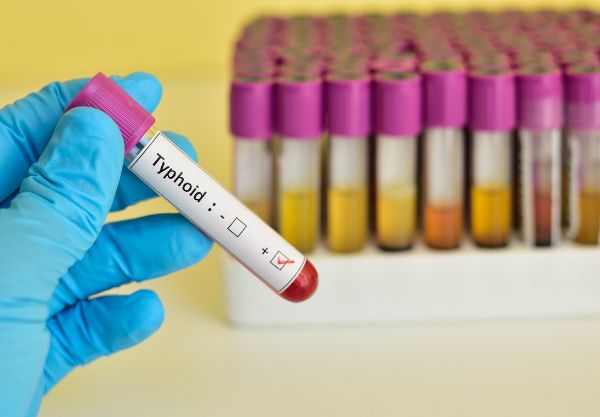
Because traditional laboratory testing cannot reach these areas, DOA Rapid Tests Kits offer a low-cost, portable option. They require no electricity, no laboratory machines and no medical specialists. A single trained community worker can safely conduct a DOA Screening Test in minutes. This simplicity makes these tools ideal for remote Afghan settings where reliable healthcare is scarce.
DOA Rapid Screen Tests Impact: How Rapid Test Kits Improve Drug Screening in Low-Resource Afghan Communities
In provinces like Takhar, Bamyan and Khost, rapid urine-based drug tests are transforming how rural communities address substance use. DOA Rapid Test kits are easy to carry, inexpensive and produce results quickly. They require only a urine sample, making them perfect for low-resource areas where laboratory equipment is unavailable.
A DOA Cup Test, for example, allows community health workers to screen for multiple substances at the same time. These substances may include opiates, cannabis, methamphetamine, benzodiazepines and synthetic drugs. Using a single device that functions without electricity means that even mountainous or isolated communities can screen individuals effectively.
In areas like Bamyan, where healthcare facilities are limited but community cooperation is strong, DOA Multi Drug Test kits allow schools, local councils and family groups to conduct early drug screening. For Khost’s border villages, where smuggling routes contribute to rising substance use, DOA Rapid Tests help families monitor at-risk youth and returning migrants who may have been exposed to drugs elsewhere.
The speed and simplicity of these tools make them an essential part of Afghanistan’s community-based harm-reduction approach.
DOA Screening Test Deployment: Community Health Workers and Mobile Clinics Expanding DOA Testing in Rural Afghanistan
Community health volunteers play a powerful role in Afghanistan’s rural health system. In provinces such as Logar, Kapisa and Baghlan, local NGOs and district-level health programs rely heavily on community-based workers who know the language, culture and geography of remote villages.
Mobile clinics – often run by NGOs and supported by international aid – carry DOA Test Kits to areas traditional healthcare systems cannot reach. These mobile units travel through valleys, mountain paths and unpaved roads to conduct screening, provide counseling and connect families to addiction support services when possible.
In Logar, mobile units supported by district hospitals screen farmers and transport workers. In Kapisa, community women’s groups conduct awareness sessions and use DOA Rapid Tests to help families check for early signs of drug dependency. In Baghlan, youth groups partner with village elders to organize drug-awareness days using DOA Multi Drug Screening Test kits.
The involvement of trusted local workers makes residents more likely to participate in screening and accept support. This personal connection is vital in conservative Afghan communities where stigma can be a major barrier to treatment.
DOA Drug Test Priorities: High-Risk Groups in Afghanistan’s Villages Who Benefit Most From DOA Screening
Remote Afghan villages have several vulnerable groups who benefit greatly from early DOA drug testing. Youth are often the most affected because they face limited job opportunities and may be easily influenced by others around them. In provinces like Kandahar and Helmand, young workers in poppy fields are at high risk of exposure.
Returning migrants from Iran, Pakistan or Gulf countries may also face addiction challenges, especially if they encountered drugs during their migration. Farmers in opium-growing regions often have easy access to raw opium, making casual use common.
Transport workers in Herat, Helmand and Nangarhar – especially those traveling long distances or crossing borders – are another high-risk group. Long hours and difficult working conditions lead some to use substances to stay awake.
Finally, families living in areas surrounded by drug trafficking routes often experience secondhand exposure. DOA Multi Drug Test screening helps protect these families by identifying early cases before they become more difficult to manage.
DOA Test Challenges: Overcoming Social Stigma Around Drug Testing in Afghanistan’s Conservative Villages
In conservative regions such as Nuristan, Laghman and Wardak, social stigma around drug testing is a major barrier. Families fear that if someone tests positive, the community might judge or isolate them. Many also believe that admitting drug use is shameful or that seeking help ruins family honor.
This makes community-based awareness extremely important. When village elders, religious leaders or respected teachers publicly support DOA Rapid Tests, families feel more comfortable participating. Awareness sessions led by NGOs help explain that drug use is a medical condition, not a moral failure.
Women in conservative villages often face even stronger stigma and may suffer in silence when affected by drug use in the household. Providing safe, discreet DOA Test options helps these families address the issue privately while still receiving support.
Gradually, as communities learn more about addiction and its health impacts, stigma decreases and more people become willing to use DOA Screening Tests for early detection.

DOA Multi Drug Test Strategy: Strengthening Afghanistan’s Health System Through Early Detection
Linking remote villages to larger hospitals in Kabul, Herat, Jalalabad and Mazar-i-Sharif is crucial for long-term progress. DOA Test Kits act as the first point of detection. Once a case is identified, community health workers can refer individuals to provincial hospitals where more advanced services exist.
Early intervention reduces healthcare costs, prevents severe addiction and allows families to receive counseling and support sooner. Using DOA Rapid Tests in rural areas strengthens the entire national health system by ensuring problems are detected before they escalate.
In cities like Kabul and Herat, hospitals increasingly work with rural districts to create referral pathways, while Jalalabad and Mazar-i-Sharif are developing more specialized treatment centers. Community DOA Drug Test initiatives help bridge the gap between remote villages and these larger facilities.
Conclusion
Community-based DOA drug screening is one of Afghanistan’s most practical and effective tools for addressing rising substance use in remote villages. With portable DOA Test Kits, mobile health workers and growing awareness programs, even the most isolated communities can begin detecting drug use early. This early detection helps save lives, protect families and strengthen Afghanistan’s overall healthcare system. As NGOs, government agencies and village leaders continue to expand these efforts, DOA testing will play a key role in creating healthier, more resilient rural communities.
FAQs About DOA Test Kits
Community-Based Drug Screening in Afghanistan’s Remote Villages: Bringing DOA Tests to Low-Resource Areas
Are DOA testing kits reliable for use in remote Afghan villages?
Yes, DOA Rapid Tests are designed for low-resource settings and provide fast, reliable results without lab equipment.
Which drugs can DOA Multi Drug Test kits detect?
They can screen for opiates, cannabis, methamphetamine, benzodiazepines and other commonly used substances.
Do mobile clinics carry DOA testing kits?
Most NGO-led mobile units across provinces like Logar and Kapisa use DOA Rapid Screen Tests during community visits.
Why is drug screening important in rural areas?
Remote villages face rising drug use but lack clinics, so early screening helps families detect addiction early.
Can DOA tests help reduce stigma around drug use?
Yes, when community leaders support testing, families feel safer seeking help and stigma gradually declines.