

Table of Contents
Menopause: Navigating the Biological Transition
The transition into menopause is a profound biological evolution that every woman will eventually navigate. Often misunderstood and frequently stigmatized, the menopausal journey is much more than the simple cessation of the menstrual cycle; it is a complex systemic shift driven by the gradual decline of reproductive hormones. From the early onset of perimenopause symptoms to the eventual stability of the postmenopausal years, this transition impacts everything from cardiovascular health and bone density to emotional well-being and cognitive function.
This comprehensive guide serves as a global resource for women, partners, and healthcare providers. By addressing the most frequently asked questions regarding hot flashes, night sweats, hormonal fluctuations, and lifestyle management, we aim to provide a roadmap for this life stage. Grounded in clinical accuracy and public health standards, this article demystifies the symptoms of menopause and offers evidence-based strategies for treatment and self-care. Our goal is to empower women across all cultures to embrace the menopause transition not as a decline, but as a manageable and rewarding phase of life.
Understanding Menopause Basics
What Exactly Triggers Menopause in the Body?
The primary trigger for menopause is the natural depletion of ovarian follicles. As a woman ages, the ovaries gradually stop producing eggs and lose their ability to secrete the reproductive hormones estrogen and progesterone. This decline in ovarian function signals the end of the reproductive years. While aging is the most common cause, menopause can also be triggered by medical interventions that damage or remove the ovaries.
 Email Us
How Is Menopause Diagnosed Clinically?
Clinically, menopause is diagnosed retrospectively after a woman has gone twelve consecutive months without a menstrual period, provided there are no other underlying medical causes. While menopause blood tests to measure Follicle-Stimulating Hormone (FSH) levels can offer clues, they are often inconsistent during perimenopause due to fluctuating hormone levels. Therefore, most healthcare providers rely on menstrual history and the presence of menopausal symptoms for a definitive diagnosis.
Can Menopause Occur Without Any Noticeable Symptoms?
Yes, it is possible for a woman to transition into the postmenopausal phase without experiencing the classic symptoms like hot flashes or night sweats. This is sometimes referred to as a silent menopause. In these cases, the only indicator of the change is the permanent cessation of the menstrual cycle. However, even without outward symptoms, internal changes such as bone density loss and shifts in cholesterol levels are still occurring within the menopausal body.
Is Menopause a Single Event or a Gradual Transition?
Menopause is not a single overnight event but rather the final point of a gradual transition known as perimenopause. This transition can last anywhere from four to ten years. During this time, hormone levels become erratic, leading to irregular periods and various symptoms. Menopause itself is the specific moment in time when a woman has reached one full year of amenorrhea.
How Do Doctors Confirm That Menopause Has Ended?
Menopause does not “end” in the sense that the body reverts to its previous state. Instead, once a woman has passed the twelve-month mark without a period, she enters the postmenopausal stage for the remainder of her life. Doctors confirm this transition based on the patient’s age, symptom history, and the long-term absence of menstruation. Postmenopause signifies that the hormone levels have reached a new, lower baseline.
Why Does Menopause Timing Differ Across Women?
The timing of menopause is influenced by a combination of genetics, lifestyle factors, and environmental exposures. Factors such as smoking have been clinically shown to advance the onset of menopause by one to two years. Nutrition, socioeconomic status, and geographic location also play roles, though genetics remains the strongest predictor of when a woman’s reproductive transition will begin.
Can Menopause Happen After a Hysterectomy?
Menopause following a hysterectomy depends on whether the ovaries were removed during the surgery. If a woman undergoes a total hysterectomy with bilateral oophorectomy (removal of both ovaries), she will experience surgical menopause immediately, regardless of her age. If the ovaries are left intact, she will stop having periods but may not experience hormonal menopause symptoms until the natural time, although some research suggests that a hysterectomy may cause the ovaries to fail slightly earlier than average.
Menopause Age, Timing & Life Stages
What Is the Earliest Age Menopause Can Begin?
While the average age for menopause globally is 51, it can occur much earlier. If it happens before age 40, it is classified as premature menopause or primary ovarian insufficiency. If it occurs between ages 40 and 45, it is referred to as early menopause. These early transitions can occur naturally or be the result of autoimmune conditions, chromosomal abnormalities, or medical treatments.
Can Menopause Start in the 30s or Early 40s?
Yes, menopause can begin in a woman’s 30s or early 40s, though it is less common. Menopausal symptoms appearing in the 30s are usually indicative of premature ovarian insufficiency. This requires medical evaluation, as the early loss of estrogen can have significant long-term impacts on bone health and cardiovascular wellness.
Does Family History Influence Menopause Age?
Family history is one of the most significant indicators of when a woman will reach menopause. There is a strong genetic correlation between the age at which a mother and her daughter experience the menopausal transition. If your mother reached menopause early or late, there is a high probability that your biological clock will follow a similar pattern.
How Does Early Menopause Differ From Natural Menopause?
Early menopause occurs before age 45, whereas natural menopause usually occurs between 45 and 55. The biological process is largely the same—a decline in estrogen—but women experiencing early menopause face a longer duration of life with low estrogen levels. This increases the risk of osteoporosis and heart disease, often necessitating hormone replacement therapy until they reach the age of natural menopause.
What Is Late-Onset Menopause and Is It Risky?
Late-onset menopause occurs after age 55. While reaching menopause later is linked to a lower risk of osteoporosis and heart disease due to prolonged estrogen exposure, it is associated with a slightly higher risk of breast, uterine, and ovarian cancers. The increased duration of estrogen exposure to reproductive tissues is the primary reason for this risk profile.
Can Menopause Be Delayed Naturally?
There is no proven “natural” way to stop the ovaries from eventually running out of eggs. However, a healthy lifestyle can ensure the ovaries function optimally for as long as possible. A diet rich in antioxidants, maintaining a healthy body weight, and avoiding toxins like cigarette smoke can support general reproductive health, but the ultimate timing of menopause is largely predetermined by genetics.
 Call Now!
Hormones & Internal Changes during Menopause
Which Hormones Drop First During Menopause?
During the initial stages of perimenopause, progesterone is often the first hormone to decline. This happens because ovulation becomes irregular; without an egg being released, the body does not produce the usual surge of progesterone. This often leads to heavier periods or shorter cycles before estrogen begins its significant, erratic decline.
How Do Hormonal Fluctuations Affect the Brain?
The brain is highly sensitive to estrogen, which helps regulate mood, memory, and body temperature. When estrogen levels fluctuate during the menopausal transition, it can disrupt the neurotransmitters like serotonin and dopamine. This disruption often manifests as the classic “brain fog,” mood instability, and the inability to regulate the body’s internal thermostat.
Why Do Estrogen Levels Rise and Fall During Menopause?
In perimenopause, the pituitary gland tries to compensate for the failing ovaries by pumping out more Follicle-Stimulating Hormone (FSH). This can cause the ovaries to over-respond, leading to temporary spikes in estrogen levels that are higher than normal, followed by sharp drops. This hormonal rollercoaster is what causes the unpredictability of symptoms during the transition.
How Does Menopause Impact Thyroid Function?
Menopause and thyroid disorders often share overlapping symptoms, such as fatigue and weight gain. Estrogen influences the amount of thyroid hormone available to the body’s cells. As estrogen levels drop, it can exacerbate an existing thyroid condition or make it more difficult for the body to utilize thyroid hormones, leading to a complex interplay of symptoms.
What Happens to Progesterone During Menopause?
As a woman approaches the final menstrual period, progesterone production falls significantly. Because progesterone has a calming effect on the nervous system, its absence can lead to increased anxiety and sleep disturbances. Once menopause is reached, progesterone levels remain consistently low, as the ovaries are no longer preparing for a possible pregnancy.
How Do Hormone Changes Affect Blood Sugar Levels?
Estrogen and progesterone affect how cells respond to insulin. During the menopausal transition, shifting hormone levels can cause blood sugar to fluctuate more than usual. Some women find that their blood glucose levels become less predictable, which can increase the risk of developing type 2 diabetes or complicate the management of existing diabetes.
Menopause Physical Symptoms & Body Changes
Why Do Hot Flashes Occur and How Long Do They Last?
Hot flashes are caused by a narrowing of the thermoregulatory zone in the hypothalamus due to low estrogen levels. The brain falsely perceives that the body is overheating and triggers a cooling response, including sweating and increased blood flow to the skin. While some women experience them for only a year, others may have hot flashes for seven to ten years during the menopause transition.
Can Menopause Cause Sudden Weight Redistribution?
Yes, menopause is famous for causing “menopausal weight gain,” specifically around the abdomen. As estrogen levels decline, the body’s metabolism slows down, and it begins to store fat differently. Rather than storing fat in the hips and thighs, the menopausal body tends to accumulate visceral fat in the midsection, which can increase cardiovascular risks.
Why Does Joint Pain Increase During Menopause?
Estrogen has a protective, anti-inflammatory effect on the joints and helps maintain the fluid in the joint tissues. As estrogen levels fall during menopause, inflammation can increase, leading to stiffness and pain in the hands, knees, and hips. Many women mistake this menopausal symptom for general arthritis or aging.
Are Heart Palpitations a Menopause Symptom?
Heart palpitations, or the feeling of a racing or fluttering heart, are a surprisingly common menopausal symptom. Hormonal fluctuations can affect the autonomic nervous system, which controls the heart rate. While usually harmless, any new heart rhythm changes should be evaluated by a medical professional to ensure they are related to the menopause transition and not a primary cardiac issue.
Can Menopause Cause Tingling or Numbness?
Some women experience a sensation known as paresthesia, which feels like tingling, “pins and needles,” or numbness in the extremities during menopause. This is thought to be related to the impact of low estrogen on the central nervous system and skin moisture levels. It can also be linked to the increased anxiety that often accompanies the menopausal transition.
Why Do Some Women Experience Chronic Fatigue?
Menopausal fatigue is often a secondary symptom of sleep disruptions like night sweats and insomnia. However, the drop in estrogen itself can lower energy levels, and the emotional toll of the transition can be exhausting. Hormonal shifts also affect the mitochondria, the energy-producing parts of our cells, which may contribute to a feeling of deep, chronic exhaustion.
Does Menopause Affect Body Odor or Sweating Patterns?
The combination of hot flashes and night sweats can increase overall perspiration. Furthermore, the changing ratio of estrogen to testosterone during menopause can alter the chemical composition of sweat, sometimes leading to changes in body odor. Many women find they need to adjust their hygiene routines or use more potent deodorants during the menopausal transition.
Mental, Emotional & Cognitive Health
Can Menopause Cause Brain Fog or Memory Issues?
Brain fog is one of the most frequently reported cognitive symptoms of menopause. Women often describe difficulty concentrating, losing their train of thought, or struggling to recall words. Research shows that estrogen is vital for metabolic activity in the brain’s memory centers. Fortunately, for most women, these cognitive challenges are temporary and stabilize once the menopause transition is complete.
Email Us!
How Does Menopause Influence Anxiety Levels?
Anxiety often spikes during perimenopause even in women who have never struggled with it before. The fluctuating levels of estrogen and the loss of progesterone’s “chilling” effect on the brain can make the nervous system more reactive. Physical symptoms like heart palpitations can also trigger a feedback loop that increases menopausal anxiety.
Are Panic Attacks Linked to Hormonal Changes?
Yes, the sudden surges and drops in hormones can trigger the body’s “fight or flight” response unexpectedly, leading to panic attacks. This is especially common during perimenopause when estrogen levels are most erratic. Managing these attacks often requires a combination of hormonal support and cognitive behavioral strategies.
Can Menopause Affect Emotional Resilience?
The cumulative effect of poor sleep, physical discomfort, and hormonal instability can wear down a woman’s emotional resilience. During menopause, situations that were once manageable might feel overwhelming. Acknowledging that these feelings are rooted in biological changes can help women seek appropriate support and self-care.
Why Do Mood Swings Feel More Intense During Menopause?
Menopausal mood swings are often compared to a heightened version of PMS. Because the hormonal changes are more profound and prolonged than a standard menstrual cycle, the resulting irritability, sadness, or anger can feel much more intense and less predictable.
Can Menopause Trigger Depression in Previously Healthy Women?
There is a documented “window of vulnerability” during the menopausal transition where women are at a higher risk for clinical depression. This is particularly true for those with a history of postpartum depression or severe PMS. The sensitivity of the brain to dropping estrogen levels is a primary driver of this menopausal depression.
Sleep, Energy & Daily Functioning
Why Is Insomnia Common During Menopause?
Menopausal insomnia is often multifaceted. It can be caused by the lack of progesterone, which helps with falling asleep, or by night sweats that wake a woman up. Anxiety and the need for frequent urination also contribute to sleep disturbances during the menopausal transition.
How Do Night Sweats Disrupt Sleep Cycles?
Night sweats are essentially hot flashes that occur during sleep. They can be severe enough to soak through pajamas and bedding, forcing a woman to wake up and change. These “arousals” prevent the brain from reaching the deep, restorative stages of REM sleep, leading to significant daytime impairment.
Can Menopause Cause Daytime Exhaustion?
Daytime exhaustion is the direct result of fragmented sleep and the increased metabolic demand on the body during menopause. When a woman is not getting quality rest due to night sweats, her cognitive function and physical endurance during the day will inevitably suffer.
How Does Sleep Deprivation Worsen Menopause Symptoms?
Sleep deprivation creates a vicious cycle. Lack of sleep lowers the pain threshold, making joint pain feel worse, and decreases emotional regulation, making mood swings more intense. It also increases the frequency of hot flashes, as the tired brain is even less capable of regulating body temperature.
Sexual & Reproductive Health
How Does Menopause Change Libido?
A decline in libido is common during menopause due to a combination of lower testosterone and estrogen levels. Physical symptoms like fatigue and vaginal dryness can also make sexual activity less appealing. However, libido is complex; some women find that the freedom from pregnancy concerns actually increases their sexual desire after menopause.
Why Does Vaginal Dryness Occur During Menopause?
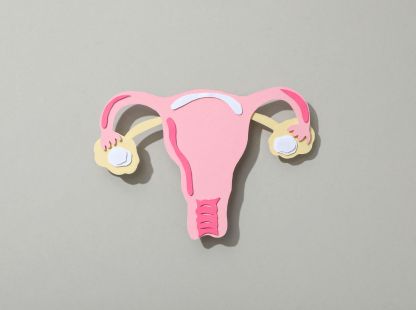
Vaginal dryness is caused by the thinning and loss of elasticity in the vaginal tissues, a condition known as genitourinary syndrome of menopause (GSM). Estrogen is responsible for maintaining the moisture and thickness of the vaginal lining. When estrogen levels drop, the tissues become thin, dry, and easily irritated, which can lead to discomfort during intercourse and an increased risk of urinary tract infections.
Can Pain During Intercourse Be Reversed?
Pain during intercourse, often caused by vaginal atrophy during the menopause transition, is highly treatable and often reversible. When estrogen levels decline, the vaginal tissues lose moisture and elasticity, making friction uncomfortable. Using water-based lubricants or long-acting vaginal moisturizers can provide immediate relief. For more persistent cases, localized vaginal estrogen therapy or non-hormonal prescription treatments can help restore tissue thickness and natural lubrication, significantly improving comfort during intimacy.
Does Menopause Affect Sexual Pleasure?
Menopause can influence sexual pleasure through both physical and psychological pathways. The thinning of vaginal walls and decreased blood flow to the pelvic region may slow the arousal response and affect the intensity of climax. Furthermore, the drop in testosterone and estrogen can impact libido. However, many women find that with the use of appropriate lubricants and a focus on emotional connection, sexual pleasure remains a fulfilling part of their postmenopausal life.
Can Women Get Pregnant During Perimenopause?
It is a common misconception that pregnancy is impossible once the menopause transition begins. As long as a woman is in perimenopause and continues to have occasional menstrual cycles, ovulation is still possible. Although fertility declines significantly during this stage, spontaneous conception can still occur. Healthcare providers generally recommend continuing the use of contraception until a woman has reached the full twelve months of amenorrhea required for a clinical menopause diagnosis.
How Does Menopause Impact Pelvic Floor Health?
The pelvic floor muscles and ligaments are sensitive to estrogen. As levels drop during menopause, these supporting structures can weaken, potentially leading to pelvic organ prolapse. This weakening often contributes to the various urinary and sexual symptoms experienced during the transition. Engaging in targeted pelvic floor exercises, such as Kegels, can help maintain muscle tone and support the bladder and uterus during and after the menopause transition.
Are Urinary Changes Related to Menopause?
Yes, urinary changes are a hallmark of the genitourinary syndrome of menopause. The decline in estrogen leads to thinning of the lining of the urethra and a decrease in bladder elasticity. This often results in symptoms such as urinary urgency, increased frequency, and a higher susceptibility to urinary tract infections. Some women also experience stress incontinence, where coughing or sneezing leads to minor bladder leaks due to weakened pelvic support.
Skin, Hair & Appearance
Why Does Skin Become Drier After Menopause?
Estrogen plays a critical role in skin hydration by stimulating the production of oils and hyaluronic acid. During the menopause transition, the skin’s ability to retain moisture decreases significantly. Additionally, the drop in estrogen reduces the skin’s barrier function, leading to increased water loss. This often manifests as itchy, dry skin that requires richer moisturizers and more gentle cleansing routines than were needed prior to menopause.
Can Menopause Cause Hair Thinning or Hair Loss?
Hair thinning is a frequent menopausal symptom linked to the changing ratio of estrogen to androgens. Estrogen helps keep hair in the “growing” phase; as it drops, the growing cycle shortens and hair follicles may shrink. This can result in thinning at the crown or a receding hairline. While some hair loss is common, persistent or patchy loss should be evaluated to ensure it is related to menopause and not another underlying health issue.
How Do Hormones Affect Facial Aging?
Hormones are deeply involved in maintaining facial structure. Estrogen supports the fat pads under the skin that provide a youthful, plump appearance. During the menopause transition, these fat pads can diminish or shift downward, leading to a loss of volume in the cheeks and sagging around the jawline. The reduction in estrogen also impacts blood flow to the skin, which can lead to a duller complexion.
Does Menopause Accelerate Wrinkle Formation?
Research suggests that women’s skin loses about 30% of its collagen during the first five years of menopause. Collagen is the protein responsible for skin elasticity and strength. As collagen production plummets due to low estrogen, the skin becomes thinner and less resilient, which directly accelerates the formation of fine lines and deep wrinkles, particularly in areas exposed to the sun.
 Message Us on WhatsApp Now!
Why Do Some Women Develop Adult Acne?
While we often associate acne with puberty, the menopause transition can trigger a second wave of breakouts. This is caused by the relative rise in androgens (male-type hormones) compared to the dropping levels of estrogen. This hormonal imbalance can stimulate the sebaceous glands to produce more oil, which clogs pores and leads to adult acne, often along the jawline and chin.
Can Menopause Affect Nail Strength and Growth?
Low estrogen levels during the menopause transition can affect the keratin layers of the nails. Many women notice that their nails become brittle, peel more easily, or grow at a much slower rate. Dehydration, which is common during menopause, also plays a role in nail health. Ensuring adequate protein intake and using moisturizing nail treatments can help mitigate these changes.
Bone, Muscle & Long-Term Health
How Does Menopause Increase Osteoporosis Risk?
Estrogen acts as a natural protector of bone density by inhibiting the cells that break down bone tissue. When estrogen production ceases at menopause, the rate of bone resorption exceeds the rate of bone formation. This leads to a rapid decline in bone mineral density, significantly increasing the risk of osteoporosis and bone fractures, especially in the hips, spine, and wrists.
When Does Bone Density Loss Begin During Menopause?
Bone density loss actually begins in the years leading up to the final period, known as perimenopause. However, the most rapid phase of bone loss occurs during the one year before and the three years following the official menopause diagnosis. During this critical window, a woman can lose a significant percentage of her total bone mass, making early preventative measures like calcium and vitamin D intake vital.
Can Muscle Mass Decline Be Prevented?
The age-related loss of muscle mass, known as sarcopenia, is often accelerated by the menopause transition. Estrogen helps maintain muscle quality and mass. While some decline is natural, it can be largely mitigated through consistent resistance training and adequate protein consumption. Building muscle not only supports the metabolism but also provides an essential protective layer for the bones.
How Does Menopause Affect Joint Flexibility?
Low estrogen levels affect the connective tissues and cartilage within the joints. During menopause, the collagen that keeps tendons and ligaments flexible begins to stiffen. This can lead to a noticeable decrease in joint range of motion and an increase in overall bodily stiffness. Maintaining a routine of stretching or yoga during the menopause transition is highly effective for preserving flexibility.
What Is the Link Between Menopause and Heart Disease?
Before menopause, estrogen helps keep blood vessels flexible and maintains a healthy balance of blood fats. Once a woman passes through the menopause transition, her risk for cardiovascular disease rises to match that of men. The loss of estrogen can lead to stiffer arteries and an increase in inflammation, both of which are primary drivers of heart disease in postmenopausal women.
Does Menopause Affect Cholesterol Levels?
Hormonal changes during menopause often lead to an unfavorable shift in cholesterol profiles. It is common to see an increase in LDL (the “bad” cholesterol) and a decrease in HDL (the “good” cholesterol) after the menopause transition. Triglyceride levels may also rise. These changes contribute to the increased risk of plaque buildup in the arteries following the cessation of the menstrual cycle.
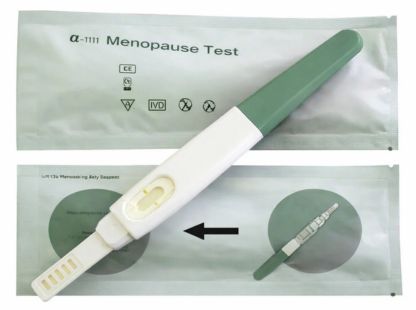
Menopause Test Kit
How does a wholesale FSH test kit manufacturer ensure high diagnostic accuracy?
As a leading wholesale FSH test kit manufacturer, Jal Medical adheres to strict ISO 13485 and GMP standards to ensure every device meets global clinical expectations. Our iCARE Menopause FSH Test Kit utilizes advanced lateral flow chromatographic immunoassay technology to detect follicle-stimulating hormone in urine with an accuracy rate of over 99%. By maintaining rigorous quality control, we provide medical professionals and retailers with a reliable tool to confirm the onset of menopause or assess fertility status.
Why should pharmacies partner with a specialized wholesale FSH test kit supplier?
Partnering with a dedicated wholesale FSH test kit supplier like Jal Medical allows pharmacies to offer hospital-grade diagnostics at a competitive price point. Our FSH Menopause Test is available in multiple formats, including the user-friendly midstream format (5.5mm) and the precise cassette format (3.0mm). By sourcing directly from the manufacturer, suppliers can guarantee a 24-month shelf life and provide their customers with a fast, private, and reliable way to monitor hormonal shifts from the comfort of home.
Can an at-home FSH Test Kit provide the same reliability as clinical tests?
Yes. While many choose a wholesale FSH test at home manufacturer for convenience, the technology inside our iCARE kits is identical to those used in professional laboratories. Our kits are designed to detect FSH surges as low as 25 mIU/mL, signaling the body’s transition into perimenopause. For the most accurate results, we recommend users test with their first-morning urine and repeat the process twice within a week to account for natural hormonal fluctuations.
What are the benefits of sourcing from wholesale FSH test manufacturers for global distribution?
Reputable wholesale FSH test manufacturers provide the logistical and regulatory support necessary for large-scale healthcare projects. Jal Medical has a proven track record as a wholesale FSH test manufacturers and exporter, supplying massive government tenders across Africa, Central Asia, and the Caribbean. Our kits are CE and FDA 510(k) certified, ensuring they meet the safety requirements of various international markets while remaining affordable for bulk procurement.
How do wholesale FSH blood test manufacturers differ from urine test suppliers?
While both methods measure the same hormone, a wholesale FSH blood test manufacturer provides kits typically used in clinical settings for quantitative analysis. However, for rapid screening and general awareness, the wholesale FSH test kit (urine-based) is the preferred choice for many global wholesale fsh tests suppliers. Urine kits offer a non-invasive, cost-effective alternative that provides results in under 10 minutes without the need for specialized laboratory equipment, making them ideal for both field use and OTC pharmacy sales.
Menopause Medical Care & Treatment Options
When Should Women Seek Medical Help for Menopause?
Women should seek medical advice if menopausal symptoms like hot flashes, insomnia, or mood swings are interfering with their quality of life. It is also important to consult a professional if there is any irregular bleeding during perimenopause or any bleeding at all after menopause has been reached. A healthcare provider can help distinguish between normal transition changes and conditions that require specific treatment.
Is Hormone Replacement Therapy Safe for Everyone?
Hormone replacement therapy (HRT) is a highly effective treatment for menopause symptoms, but it is not suitable for everyone. For most healthy women under age 60 who are within ten years of the start of menopause, the benefits of HRT for symptom relief and bone protection often outweigh the risks. However, women with a history of certain cancers, blood clots, or liver disease may be advised against its use.
What Are the Risks of Long-Term Hormone Therapy?
Long-term use of combined hormone therapy can be associated with a slightly increased risk of blood clots, stroke, and certain types of breast cancer. These risks vary significantly based on the type of hormones used, the delivery method (such as a pill versus a patch), and the individual’s health history. Modern menopause management often focuses on using the lowest effective dose for the shortest time necessary.
Are Non-Hormonal Treatments Effective?
Yes, several non-hormonal options are effective for managing menopause symptoms. Certain low-dose antidepressants can significantly reduce the frequency and severity of hot flashes. Other medications specifically designed for nerve pain or overactive bladder can also be repurposed to help with menopausal discomforts. These are excellent alternatives for women who cannot or choose not to use hormone therapy.
How Do Doctors Decide the Best Menopause Treatment?
The best menopause treatment is determined through a shared decision-making process between the patient and the doctor. Factors considered include the severity of symptoms, personal and family medical history, and specific health goals, such as preventing osteoporosis. Treatment plans are often “trialed” and adjusted over several months to ensure the best balance of symptom relief and safety.
Call Now!
Can Menopause Symptoms Be Managed Without Medication?
Many women manage the menopause transition through lifestyle modifications alone. Strategies include dressing in layers for hot flashes, avoiding triggers like spicy food or caffeine, and practicing stress-reduction techniques like mindfulness for anxiety. Regular weight-bearing exercise and a diet rich in phytoestrogens, found in soy and flaxseeds, can also provide natural support for the menopausal body.
Diet, Nutrition & Lifestyle during Menopause
Which Foods Help Balance Menopause Symptoms?
A balanced diet is a powerful tool for managing the menopause transition. Foods rich in phytoestrogens, such as soy, flaxseeds, and lentils, can mimic estrogen in the body and potentially reduce the severity of hot flashes. Calcium-dense foods like leafy greens and dairy are essential to protect bone density, while fiber helps stabilize blood sugar and manage the weight changes often associated with menopause.
Can Caffeine Worsen Hot Flashes?
Caffeine is a well-known trigger for many women during the menopause transition. Because caffeine acts as a stimulant, it can cause blood vessels to dilate and raise the internal body temperature, which often results in more frequent and intense hot flashes and night sweats. Reducing coffee and tea intake, especially in the afternoon, can also help mitigate the insomnia that frequently accompanies menopause.
Does Alcohol Intensify Menopause Symptoms?
Alcohol consumption can significantly worsen menopause symptoms. It often acts as a trigger for hot flashes by dilating blood vessels and can severely disrupt the sleep cycle, leading to increased night sweats and daytime fatigue. Furthermore, since alcohol is a depressant, it may exacerbate the mood swings and anxiety that occur during the menopause transition.
How Does Exercise Reduce Hormonal Symptoms?
Regular physical activity helps stabilize the nervous system, which can reduce the frequency of menopausal hot flashes and anxiety. Exercise also releases endorphins, which are natural mood elevators that counteract the irritability and sadness linked to dropping estrogen levels. Staying active is one of the most effective non-medical ways to navigate the menopause transition.
Are Supplements Necessary During Menopause?
Supplements are not always mandatory, but they can be helpful for many women during the menopause transition. Vitamin D and calcium are frequently recommended to prevent the bone loss associated with low estrogen. Some women also find relief from herbal supplements like black cohosh or evening primrose oil, though it is important to discuss these with a healthcare provider to ensure they do not interfere with other menopause treatments.
Can Weight Training Improve Menopause Health?
Weight training is arguably the most important form of exercise during the menopause transition. As estrogen levels decline, women naturally lose muscle mass and bone density. Resistance training forces the bones to strengthen and helps maintain the metabolic rate, which is vital for preventing the abdominal weight gain that often characterizes the menopausal years.
Menopause & Work-Life Balance
How Does Menopause Affect Work Performance?
The cognitive and physical symptoms of the menopause transition, such as brain fog, lack of sleep, and hot flashes, can make professional tasks more challenging. Some women report difficulty with memory or maintaining focus during long meetings. Acknowledging that these are biological results of the menopause transition can help women seek appropriate management strategies to maintain their productivity.
Should Employers Accommodate Menopause at Work?
Globally, there is a growing movement for menopause-friendly workplaces. Employers can support staff by providing fans, temperature-controlled environments, and flexible scheduling to help manage the fatigue and hot flashes associated with the menopause transition. Such accommodations help retain experienced women in the workforce who might otherwise leave due to unmanaged menopause symptoms.
How Can Women Manage Symptoms in Professional Settings?
Women can manage menopause symptoms at work by dressing in breathable layers to handle sudden hot flashes and staying well-hydrated throughout the day. Keeping a small fan at the desk and taking short “cooling breaks” can also help. For cognitive symptoms like brain fog, using detailed calendars and digital reminders can provide essential support during the menopause transition.
Does Shift Work Worsen Menopause Symptoms?
Shift work can be particularly difficult during the menopause transition because it further disrupts a circadian rhythm that is already under stress. The lack of a consistent sleep-wake cycle can intensify menopausal fatigue and make night sweats feel more debilitating. Women in shift work may need to be extra diligent about sleep hygiene and stress management to stay healthy.
Relationships & Social Impact
How Can Partners Support Women During Menopause?
Partners can offer support by educating themselves about the biological realities of the menopause transition. Being patient with mood swings and understanding that physical changes like vaginal dryness or low libido are hormonal, not personal, is crucial. Open communication about the symptoms of menopause can strengthen the relationship during this period of change.
Does Menopause Affect Marital Relationships?
The stress of the menopause transition can lead to friction in marriages, particularly if symptoms like insomnia or irritability are misunderstood. However, many couples find that navigating this life stage together leads to a deeper emotional intimacy. Adapting to the changes in sexual health and finding new ways to connect can help sustain a healthy relationship through menopause.
How Can Family Members Understand Menopause Better?
Family members should view menopause as a major life transition rather than just a collection of symptoms. Understanding that the hormonal shifts are equivalent to those seen in puberty can help children and relatives provide the empathy and support a woman needs. Openly discussing menopause helps remove the stigma and makes the transition easier for the whole household.
Can Menopause Change Social Behavior or Interests?
Some women find that the menopause transition leads to a period of introspection or a shift in social priorities. As the nurturing roles of early adulthood change, many women feel a renewed sense of self and explore new hobbies or career paths. While the transition can be challenging, it often leads to a new phase of social confidence and personal growth after menopause.
Myths, Misconceptions & Global Concerns
Is Menopause the End of Sexual Health?
Absolutely not. While the menopause transition brings changes like lower estrogen and vaginal dryness, sexual health can be maintained and even improved. With the use of lubricants, moisturizers, or hormone therapy, sexual activity can remain pleasurable. Many women report feeling more sexually free after menopause once the fear of unplanned pregnancy is removed.
Are Natural Remedies Always Safe for Menopause?
Natural does not always mean safe. While many herbal remedies provide relief from menopausal symptoms, they can have side effects or interact with other medications. It is essential for women to approach natural menopause treatments with the same caution as pharmaceutical ones and consult with a professional to ensure safety.
Does Menopause Mean Aging Rapidly?
Menopause is a milestone of aging, but it does not mean a woman will suddenly decline. While the drop in estrogen affects skin and bone health, proactive lifestyle choices can mitigate these effects. Many women feel their most vibrant and healthy in the years following the menopause transition because they have established better self-care habits.
Can Menopause Symptoms Come and Go for Years?
Yes, it is quite common for menopause symptoms to be inconsistent. A woman might have months of frequent hot flashes followed by a period of calm. This unpredictability is a hallmark of the perimenopause stage, where hormone levels fluctuate wildly before eventually settling at a postmenopausal baseline.
Message Us on WhatsApp Now!
Is Menopause the Same Across Cultures?
The biological process of menopause is universal, but the experience of symptoms varies across cultures. For example, women in some Eastern cultures report fewer hot flashes than women in the West, which may be linked to diet or social perceptions of aging. Understanding these global differences helps public health organizations tailor menopause support to different populations.
Post-Menopause & Aging Well
What Changes After Menopause Is Complete?
Once the menopause transition is officially complete, hormone levels stabilize at a lower level. The erratic mood swings and unpredictable periods of perimenopause disappear. While some physical changes remain, the body reaches a new equilibrium, and many women find they have more consistent energy levels in the postmenopausal phase.
Do Symptoms Ever Fully Disappear?
For most women, the most acute symptoms like hot flashes and night sweats eventually fade away. However, some symptoms related to low estrogen, such as vaginal dryness or changes in skin elasticity, may persist. Continuous management of health through diet and exercise ensures that these long-term menopause effects do not diminish quality of life.
How Can Women Stay Healthy After Menopause?
Staying healthy after menopause requires a focus on cardiovascular health and bone density. Since the protective effect of estrogen is gone, monitoring blood pressure and cholesterol becomes even more important. A diet high in nutrients and a consistent routine of weight-bearing exercise are the cornerstones of health after the menopause transition.
What Health Screenings Are Essential Post-Menopause?
Essential screenings after menopause include bone density scans (DEXA), regular mammograms, and cardiovascular checkups. Colonoscopies and regular pelvic exams are also vital. Because the risk for certain conditions increases after the menopause transition, early detection through regular screening is the best way to ensure longevity.
Can Quality of Life Improve After Menopause?
Many women report a significantly improved quality of life once the menopause transition is over. The end of menstrual cycles and the stabilizing of hormones often bring a sense of relief and renewed focus on personal goals. Post-menopause can be a time of great wisdom, health, and liberation for women worldwide.
Conclusion
In summary, the menopause transition is an intricate process that requires a holistic approach to health and wellness. As we have discussed, the decline in estrogen and progesterone triggers a cascade of changes that affect skin elasticity, metabolic rate, and even sexual health. However, as medical understanding of the menopausal body continues to advance, women today have more tools than ever to manage these shifts—ranging from hormone replacement therapy to targeted nutrition and resistance training.
While the physical discomforts of perimenopause, such as insomnia and brain fog, can be challenging, they are temporary stages on the path to a new physiological equilibrium. Maintaining long-term health after menopause involves a proactive commitment to cardiovascular screenings, bone density protection, and mental health support. It is also a time to foster open communication within families and professional settings, ensuring that the menopause transition is met with empathy rather than silence.
Ultimately, the years following the final menstrual period can be some of the most liberating and productive in a woman’s life. By staying informed about the biological realities of menopause and seeking appropriate medical guidance, women can ensure that they remain vibrant, healthy, and confident. Menopause marks the end of one chapter, but it is the definitive beginning of a powerful and informed new era of aging well.