

Table of Contents
Objective:
The objective of this article is to explore the existing challenges in improving antiretroviral therapy (ART) coverage in the Philippines and to propose actionable strategies to address these challenges. It focuses on the healthcare delivery and logistics issues that hinder timely ART initiation, including decentralized healthcare systems, drug stockouts, and gaps in the linkage to care after HIV diagnosis. The article also emphasizes the importance of expanding HIV testing, particularly through accessible tools like rapid HIV test kits and home-use test kits, to facilitate early diagnosis and treatment. By examining government initiatives and the projected rise in HIV cases by 2030, the article aims to highlight the urgent need for improvements in prevention, diagnosis, and treatment services to combat the HIV epidemic in the country.
Introduction
The Philippines has made substantial strides in its response to the HIV/AIDS epidemic over the past decades, but significant challenges remain in providing adequate care to those diagnosed with HIV. Despite high rates of HIV diagnosis, many individuals who test positive are not enrolled in antiretroviral therapy (ART). The factors contributing to this treatment gap are multifaceted, and addressing them is vital to improving public health outcomes. This article explores the challenges in healthcare delivery and logistics, examines the treatment gaps that prevent timely ART initiation, and proposes strategies for enhancing HIV testing, diagnosis, and linkage to care in the Philippines.

Treatment Gaps: The Disconnect Between Diagnosis and ART Initiation
While a growing number of individuals in the Philippines are being diagnosed with HIV, there is a critical gap in ART initiation. According to recent reports, only a portion of the diagnosed population is currently receiving antiretroviral treatment. ART is the cornerstone of HIV care, dramatically reducing the viral load in the body and preventing the progression of HIV to AIDS. However, despite its availability, the number of individuals on ART remains alarmingly low, leaving many at risk of further complications, including AIDS-related illnesses and increased transmission of the virus.
One of the primary reasons for the treatment gap is the failure of healthcare systems to ensure timely and efficient linkage to ART after diagnosis. Many diagnosed individuals face significant barriers to accessing treatment, including geographic and logistical challenges, long wait times at treatment facilities, and a lack of integrated care services that connect HIV testing, counseling, and treatment.
Decentralized Healthcare Delivery and Logistical Challenges
In a country like the Philippines, with its complex archipelago of islands and varying access to healthcare, decentralized healthcare delivery is a major challenge. Healthcare facilities in remote areas may lack the necessary infrastructure, including trained personnel and sufficient ART supplies, to provide timely care for those diagnosed with HIV. This decentralization often results in delays in treatment initiation, contributing to higher rates of HIV-related complications and transmission.
Additionally, logistical issues such as drug stockouts and inadequate supply chain management further exacerbate the situation. ART medications are essential to managing the disease, but stockouts can result in interruptions in treatment, leading to increased viral loads and the development of drug resistance. Regular and reliable access to ART is crucial for individuals living with HIV, and any interruption in therapy can have severe long-term consequences.
Moreover, the integration of HIV care services within the broader healthcare system is often lacking, leading to fragmentation of care and poor coordination between diagnosis and treatment.
This disconnect hinders the effectiveness of ART programs and discourages individuals from seeking the care they need.
The Need for Improved Linkage to Care
Linkage to care after diagnosis remains a significant barrier to ART uptake in the Philippines. Although HIV testing services have expanded in recent years, with increased availability of HIV testing kits such as the HIV Tri-Line Rapid Screen Test and HIV 1&2 4th Generation Test, many individuals are not promptly linked to ART after they test positive.
The problem lies not only in the availability of testing but also in the post-test counseling and referral systems that should ensure individuals are linked to care. In some instances, individuals may not be fully aware of the treatment options available or may face stigma that prevents them from seeking treatment. Addressing these gaps in care requires a comprehensive approach that includes both improving HIV testing services and ensuring efficient referrals to ART clinics.
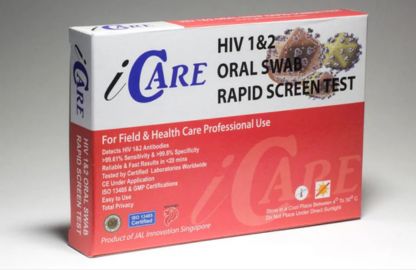
Improved testing methods, including rapid tests and oral HIV test kits, can enhance early diagnosis and treatment. The HIV 1&2 Oral Swab Home Test Kit allows for confidential home testing, which may encourage more individuals to seek HIV testing, particularly in rural or underserved areas. By expanding the availability of such testing kits and promoting self-testing, the Philippines can improve early diagnosis and reduce the delays in starting ART.
The Role of HIV Testing Kits and Early Diagnosis
Early diagnosis is key to initiating ART and preventing the spread of HIV. The use of WHO PQ Listed HIV 1&2 Rapid Test Cards and HIV 1&2 Combo Test Kits can enhance testing capacity and provide rapid results. These test kits, distributed through various suppliers, allow healthcare providers to quickly diagnose individuals and initiate necessary interventions, including ART. Ensuring widespread access to these testing kits—particularly in underserved areas—is vital for identifying those at risk and linking them to appropriate care.
Furthermore, HIV rapid test kits, such as the HIV Tri-Line Rapid Test and HIV Plasma Rapid Screen Test, play an essential role in expanding access to testing. These tests, which can be conducted at various healthcare settings, are cost-effective and provide fast, reliable results. With better access to such diagnostic tools, more individuals can be diagnosed early and given the opportunity to start ART promptly.
Government Initiatives and Policy Support
The government of the Philippines has recognized the urgent need to address the growing HIV epidemic and has taken significant steps toward improving ART coverage. Initiatives such as the expansion of HIV testing services, the distribution of HIV test kits, and the implementation of treatment programs have shown promise. The Philippine National AIDS Council (PNAC) has also worked to increase awareness and reduce stigma surrounding HIV testing and treatment.
However, for these initiatives to have a sustainable impact, they must be accompanied by stronger logistical and infrastructural support. Government agencies need to prioritize the training of healthcare workers, the improvement of drug supply chains, and the integration of HIV care into the broader healthcare system. Additionally, the government must continue to work closely with HIV rapid test kit distributors and HIV test kit manufacturers to ensure that these tools are readily available and affordable.
Projected Increases in HIV Prevalence
If the current gaps in treatment and prevention are not addressed, the number of Filipinos living with HIV could significantly increase by 2030. Projections show a rise in new HIV infections, particularly if prevention programs are not scaled up and access to ART remains limited. Expanding access to HIV test kits and improving the linkage to care are critical in preventing the further spread of the virus. Furthermore, improving public health awareness and education on HIV prevention, testing, and treatment is essential to curbing the future rise of infections.

Conclusion: Bridging the Gap in ART Coverage
Improving ART coverage in the Philippines is essential to reducing the burden of HIV and preventing further transmission. By addressing the logistical challenges in healthcare delivery, enhancing the availability of HIV testing kits, and ensuring better linkage to care, the Philippines can bridge the gap between diagnosis and treatment. Government support, robust healthcare infrastructure, and innovative solutions, such as the use of HIV 1&2 home use test kits and HIV rapid screen tests, will be vital to achieving the goal of universal ART coverage and improving the quality of life for individuals living with HIV.
Through these comprehensive strategies, the Philippines can improve its response to the HIV epidemic and create a future where more individuals have access to the life-saving treatment they need.
FAQs
How can decentralized healthcare delivery impact ART uptake in rural areas of the Philippines?
Decentralized healthcare delivery in rural areas can lead to limited access to healthcare facilities that offer ART, long travel distances for patients, and challenges in maintaining consistent supply chains for HIV medications. These factors contribute to delays in ART initiation and may discourage individuals from continuing treatment.
What are the key logistical challenges in ART supply and how can they be addressed?
One of the key logistical challenges is the risk of drug stockouts due to inefficiencies in supply chain management. Addressing this issue requires better inventory management systems, improved coordination between local health facilities and central drug distributors, and ensuring a steady supply of ART medications to prevent interruptions in treatment.
Why is it important to increase the availability of HIV self-test kits in the Philippines?
Increasing the availability of HIV self-test kits, such as HIV 1&2 home test kits, would provide individuals with the option of confidential and convenient testing, especially in areas where stigma is a barrier to seeking formal healthcare. Early diagnosis through self-testing can lead to faster treatment initiation, reducing the risk of transmission and improving overall health outcomes.
What role do oral HIV test kits play in improving early diagnosis and linkage to ART?
Oral HIV test kits, such as the HIV 1&2 Oral Swab Test Kit, offer a less invasive and easier method of HIV testing compared to traditional blood tests. Their ease of use can encourage more individuals to seek testing, especially in remote or underserved areas, leading to earlier diagnosis and faster linkage to ART, which is critical for effective HIV management.
How can the government ensure better coordination between HIV testing and ART initiation?
The government can improve coordination by integrating HIV testing services with ART treatment facilities and creating a seamless referral system that ensures individuals diagnosed with HIV are quickly linked to treatment centers. Additionally, enhancing training for healthcare providers and strengthening community outreach programs can help bridge the gap between diagnosis and treatment initiation.
What strategies can be employed to reduce stigma surrounding HIV testing and treatment in the Philippines?
Reducing stigma requires comprehensive public education campaigns that focus on demystifying HIV, highlighting the importance of early testing and treatment, and emphasizing that HIV is a manageable condition with proper care. Additionally, promoting the use of confidential HIV testing options, like home test kits, can encourage more people to get tested and seek treatment without fear of judgment.
How can the Philippines prepare for the projected increase in HIV cases by 2030?
To address the projected increase in HIV cases, the Philippines should prioritize expanding prevention programs, such as comprehensive sexual education and access to pre-exposure prophylaxis (PrEP). Additionally, strengthening the healthcare infrastructure, improving access to ART, and enhancing HIV testing outreach will be essential in managing the growing epidemic and preventing further transmission.
What is the role of international partnerships in improving ART coverage in the Philippines?
International partnerships can provide technical assistance, funding, and access to high-quality HIV test kits and ART medications. Collaborations with global organizations like the World Health Organization (WHO) can help improve the country’s HIV response through capacity building, research, and sharing of best practices for managing HIV care and treatment.
Can increasing the availability of HIV testing kits reduce the number of undiagnosed individuals in the Philippines?
Yes, increasing the availability of HIV testing kits, particularly in high-risk areas, can significantly reduce the number of undiagnosed individuals. With tools like the HIV 1&2 Rapid Screen Test and HIV Plasma Rapid Screen Test, more people can access testing easily, leading to early detection and prompt treatment. Increased testing is crucial for reaching individuals who may not otherwise seek traditional healthcare services.
What impact does timely ART initiation have on reducing HIV transmission in the Philippines?
Timely initiation of ART is crucial in reducing HIV transmission. ART not only helps individuals living with HIV maintain a suppressed viral load but also prevents the virus from being transmitted to others. Expanding ART coverage and ensuring timely treatment initiation can help slow the epidemic and ultimately contribute to the goal of ending HIV transmission.