

Table of Contents
The Journey to Parenthood: A Global Guide to Getting Pregnant and Early Signs:
The journey through pregnancy is one of the most transformative biological and emotional experiences a human can undergo. From the moment of conception to the final stages of labor and delivery, the body acts as a complex life-support system, orchestrating a sequence of events that is both miraculous and deeply scientific. However, for many expectant parents, the path is often filled with questions about early signs, physical changes, and the safety of various lifestyle choices.
This comprehensive guide serves as an essential resource for global readers seeking medically accurate information. Whether you are navigating the first trimester symptoms of morning sickness, curious about fetal development milestones, or preparing for the recovery process during the postpartum period, the following chapters provide evidence-based answers. By aligning with international public health standards, we aim to demystify the pregnancy process, reduce anxiety, and empower individuals to make informed decisions for their own health and the well-being of their future child.
Understanding the nuances of prenatal care, nutrition, and emotional health is the cornerstone of a healthy pregnancy outcome. We invite you to explore this guide as a roadmap through the trimesters, designed to support you from the first positive pregnancy test through the first steps of parenthood.
Getting Pregnant & Early Signs
How Soon After Ovulation Can Pregnancy Be Detected?
Pregnancy detection depends on the production of Human Chorionic Gonadotropin (hCG), often called the “pregnancy hormone.” After ovulation and successful fertilization, it takes approximately 6 to 12 days for the embryo to implant into the uterine lining. Only after implantation does hCG enter your bloodstream and urine. For the most reliable results, most health professionals recommend waiting at least 12 to 14 days after ovulation—or until the first day of your missed period—to take a test.
 Contact Us
Can You Be Pregnant Without Missing a Period?
While a missed period is the hallmark sign of pregnancy, some women experience “implantation bleeding,” which can be mistaken for a light period. This occurs when the fertilized egg attaches to the uterine wall, causing minor shedding of the lining. Additionally, some women may experience spotting during early pregnancy due to hormonal shifts or cervical sensitivity. However, if you are pregnant, you will not have a traditional, heavy menstrual period.
What Are the Earliest Physical Changes After Conception?
The body begins to change almost immediately after conception, though many signs are subtle. The earliest physical changes often include:
- Breast Tenderness: Breasts may feel fuller, sore, or sensitive due to rising progesterone.
- Fatigue: An unusual sense of exhaustion is common as the body works to build the placenta.
- Nausea: Often called “morning sickness,” though it can occur at any time of day.
- Increased Urination: Hormonal changes increase blood flow to the kidneys, causing the bladder to fill more quickly.
Does Implantation Always Cause Bleeding or Cramping?
No, implantation bleeding and cramping are not universal. Statistics suggest that only about 25% to 30% of pregnant women experience spotting during implantation. When it does occur, the bleeding is typically light pink or brown and lasts only a few hours to a couple of days. Implantation cramps are generally much milder than menstrual cramps. If you do not experience these signs, it does not mean you aren’t pregnant.
Can Stress or Travel Delay Pregnancy Symptoms?
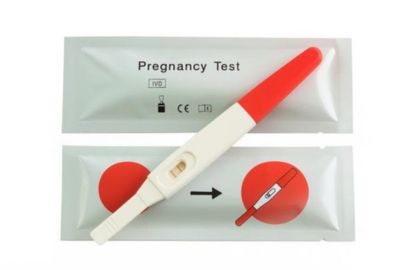
Stress and travel do not “delay” the biological onset of pregnancy symptoms once conception has occurred, but they can certainly affect your perception of them. High levels of cortisol (the stress hormone) can mimic or mask early signs like fatigue or nausea. Furthermore, stress and travel are well-known causes for a delayed menstrual cycle by disrupting ovulation, which may lead someone to believe they are pregnant when they are simply experiencing a late period.
Are Pregnancy Symptoms the Same for Every Woman?
Pregnancy is a highly individualized experience. Symptoms vary significantly not only between different women but even between different pregnancies for the same woman. Some may feel the full spectrum of symptoms—nausea, aversions, and fatigue—within days of conception, while others may reach their second trimester with almost no physical discomfort.
Can You Feel Fetal Movement in the First Trimester?
It is extremely rare to feel fetal movement in the first trimester. During these first 12 weeks, the embryo (and later the fetus) is very small—reaching only about the size of a plum by the end of the trimester. Most women, especially those pregnant for the first time, begin to feel movement (known as “quickening”) between 18 and 22 weeks. Any “fluttering” felt earlier is usually attributed to gas or uterine muscle contractions.
What Does a Chemical Pregnancy Mean?
A chemical pregnancy is a very early miscarriage that occurs shortly after implantation. It is called a “chemical” pregnancy because it was only detected through biochemical means (a pregnancy test) and not yet through an ultrasound. In these cases, the egg is fertilized and implants, triggering hCG production, but the pregnancy stops developing shortly after. It is often caused by chromosomal abnormalities in the embryo and is unfortunately quite common.
 Call Now!
Pregnancy Testing & Confirmation
Which Pregnancy Test Is Most Accurate and When?
Digital and high-sensitivity “early result” tests are highly accurate when used correctly. Most home pregnancy tests (HPTs) are 99% accurate if taken after the first day of a missed period. To ensure the highest accuracy, it is best to use your “first-morning urine,” as this contains the highest concentration of hCG.
Can a Blood Test Detect Pregnancy Earlier Than Urine Tests?
Yes. Blood tests can detect pregnancy earlier than urine tests because they are more sensitive to lower levels of hCG. There are two types:
- Qualitative hCG Test: Simply checks if hCG is present (a Yes/No result). This can detect pregnancy about 7 to 10 days after conception.
- Quantitative hCG Test (Beta hCG): Measures the exact amount of hCG in the blood. This is useful for tracking the health of an early pregnancy.
What Causes False-Positive or False-Negative Pregnancy Tests?
- False-Negative: These are common and usually occur because the test was taken too early, the urine was too diluted, or the test instructions were not followed correctly.
- False-Positive: These are very rare. They can be caused by a recent miscarriage (hCG remaining in the system), certain fertility medications containing hCG, or, rarely, specific medical conditions like ovarian cysts.
How Many Weeks Pregnant Are You at the First Positive Test?
By the time you miss your period and get a positive test, you are typically considered 4 weeks pregnant. This is because pregnancy dating is calculated from the first day of your Last Menstrual Period (LMP), not the date of conception. Since ovulation usually occurs two weeks after your period starts, you have technically been “pregnant” for about two weeks by the time the test confirms it.
Can Medications Affect Pregnancy Test Results?
Most common medications, such as antibiotics, birth control pills, or pain relievers, do not affect pregnancy test results. The only medications that typically cause interference are fertility drugs that contain hCG (such as Novarel or Ovidrel). These can cause a false positive if the test is taken too soon after the injection.
Is It Possible to Be Pregnant and Test Negative?
Yes, this is known as a false negative. It most frequently happens if you have a longer cycle than usual and ovulated later than you thought, meaning the hCG levels have not yet reached the threshold for the test to detect. If you have pregnancy symptoms but continue to test negative, wait 48 to 72 hours and test again, as hCG levels double roughly every two days in early pregnancy.
Physical Changes During Pregnancy
Why Does the Body Temperature Rise During Pregnancy?
Many women notice they feel warmer or experience “hot flashes” shortly after conception. This rise in basal body temperature is primarily driven by a significant increase in the hormone progesterone. Additionally, pregnancy triggers a surge in metabolic rate and blood volume. Your heart works harder to circulate blood, generating extra body heat. While a slight increase is normal, a high fever should always be evaluated by a healthcare professional.
How Does Pregnancy Affect Skin, Hair, and Nails?
Hormonal shifts lead to noticeable changes in various tissues. Many women experience the “pregnancy glow,” caused by increased blood flow to the skin and higher oil production. However, others may develop “melasma” (darker patches on the face) or acne. Hair often feels thicker because pregnancy hormones prevent the usual daily shedding; this hair may shed rapidly a few months after delivery. Nails may grow faster but can also become more brittle or soft depending on the individual.
Is Sudden Weight Loss Normal in Early Pregnancy?
While weight gain is the general expectation, it is surprisingly common for women to lose a small amount of weight during the first trimester. This is typically due to severe morning sickness (nausea and vomiting) or a sudden loss of appetite and food aversions. As long as the mother stays hydrated and the weight loss is minimal, the body usually compensates in the second trimester. However, persistent vomiting that leads to significant weight loss should be discussed with a doctor to rule out conditions like hyperemesis gravidarum.
Email Us!
What Causes Dizziness and Lightheadedness in Pregnancy?
The cardiovascular system undergoes massive changes to support the fetus. Blood vessels dilate (expand), and blood volume increases, which can cause blood pressure to drop. This often leads to dizziness, especially when standing up quickly. Additionally, lower blood sugar levels or iron-deficiency anemia can contribute to feeling faint. It is important to move slowly and stay hydrated to manage these episodes.
Why Do Some Women Experience Shortness of Breath Early?
Feeling winded can occur as early as the first trimester, long before the uterus is large enough to press against the lungs. This is largely due to progesterone, which signals the brain to take deeper, more frequent breaths to ensure the baby is getting enough oxygen. While it can feel startling, it is usually a normal adaptation of the respiratory system.
Are Body Aches Normal in the First Trimester?
Yes, aches and pains are common even in the earliest weeks. As the uterus expands, the ligaments supporting it begin to stretch, which can cause “round ligament pain” or a dull ache in the lower abdomen. Furthermore, the body begins producing a hormone called relaxin, which loosens the joints and ligaments to prepare the pelvis for birth. This can lead to backaches or hip pain early on.
How Does Pregnancy Change Sleep Patterns?
Sleep is often disrupted from the very beginning. In the first trimester, high progesterone levels can cause extreme daytime sleepiness, yet physical discomfort and the frequent need to urinate may interfere with a full night’s rest. As the pregnancy progresses, vivid dreams, heartburn, and the inability to find a comfortable position often contribute to insomnia or fragmented sleep.
Nutrition, Diet & Supplements
What Foods Should Be Avoided Completely During Pregnancy?
To prevent foodborne illnesses like Listeria, Salmonella, and Toxoplasmosis—which can be dangerous to a fetus—certain foods should be avoided:
- Raw or undercooked meat and seafood: Including sushi, rare steaks, and raw shellfish.
- Unpasteurized dairy: Soft cheeses like brie or feta unless they are clearly labeled as made with pasteurized milk.
- High-mercury fish: Such as shark, swordfish, and king mackerel.
- Raw eggs: Often found in homemade dressings or raw cookie dough.
- Unwashed produce: Fruits and vegetables must be thoroughly cleaned to remove soil bacteria.
How Much Weight Should Be Gained in Each Trimester?
Weight gain recommendations depend on a woman’s pre-pregnancy Body Mass Index (BMI). Generally:
- First Trimester: Very little gain is needed, usually between 1 to 5 pounds (0.5 to 2 kg).
- Second and Third Trimesters: A steady gain of about 1 pound (0.5 kg) per week is typical for women of average weight. The focus should be on nutrient density rather than simply increasing calories.
Are Cravings a Sign of Nutrient Deficiency in Pregnancy?
The idea that a craving for ice cream or pickles represents a specific mineral deficiency is largely a myth. While some studies suggest a craving for non-food items (a condition called pica) can indicate iron deficiency, most food cravings are driven by intense hormonal shifts and changes in the senses of taste and smell.
Is It Safe to Consume Caffeine During Pregnancy?
Most global health organizations agree that moderate caffeine consumption—up to 200 milligrams per day—is safe. This is roughly the amount in one 12-ounce cup of brewed coffee. High levels of caffeine can cross the placenta and have been linked to lower birth weights, so it is important to monitor intake from coffee, tea, sodas, and chocolate.
Can Vegetarian or Vegan Diets Support a Healthy Pregnancy?
Yes, a well-planned plant-based diet can support a healthy pregnancy. However, vegetarian and vegan mothers must be more diligent about certain nutrients. Supplementation or fortified foods are often necessary to ensure adequate intake of Vitamin B12, iron, omega-3 fatty acids, and calcium, which are more readily available in animal products.
What Vitamins Are Essential Before and During Pregnancy?
A prenatal vitamin is a vital safety net. The most critical components include:
- Folic Acid (Folate): Essential in the first weeks to prevent neural tube defects.
- Iron: Supports the extra blood volume and prevents anemia.
- Calcium and Vitamin D: For the development of the baby’s bones and teeth.
- Iodine: Critical for the baby’s brain development and thyroid function.
Is Herbal Tea Safe for Pregnant Women?
Not all herbal teas are equal. While ginger or peppermint teas are often recommended for nausea, some herbs can act as uterine stimulants or interfere with hormones. Teas containing raspberry leaf (usually reserved for the very end of pregnancy), hibiscus, or large amounts of licorice root should be used with caution or avoided. Always consult a healthcare provider before using herbal remedies.
Message Us on WhatsApp Now!
Pregnancy Symptoms & Discomforts
Why Does Morning Sickness Happen and When Does It Peak?
Morning sickness is primarily triggered by the rapid rise of the pregnancy hormone hCG (human chorionic gonadotropin) and estrogen. These hormones affect the digestive system and the brain’s “nausea center.” While it can occur at any time of day, this pregnancy symptom typically starts around week 6, peaks between weeks 9 and 11, and usually subsides by the start of the second trimester.
Is Vomiting Throughout Pregnancy Normal?
While mild to moderate vomiting is a common pregnancy discomfort, vomiting that persists through all three trimesters is less common. If vomiting is so severe that it prevents fluid retention or causes weight loss, it may be a condition called Hyperemesis Gravidarum. This requires medical intervention to ensure the pregnant woman and the fetus remain hydrated and nourished.
What Causes Heartburn During Pregnancy?
Heartburn during pregnancy is caused by the hormone progesterone, which relaxes the valve between the stomach and the esophagus. This allows gastric acid to flow upward. In the third trimester, the growing uterus also physically presses against the stomach, further forcing acid up and causing that characteristic burning sensation.
How Can Back Pain Be Managed Safely While Pregnant?
Pregnancy-related back pain is caused by the shifting center of gravity and the hormone relaxin, which loosens the pelvic joints. To manage this safely, pregnant mothers should focus on prenatal yoga, wearing supportive footwear, and using a pregnancy pillow for side-sleeping. Avoiding heavy lifting is essential to prevent straining the already softened ligaments.
Are Frequent Headaches a Pregnancy Warning Sign?
While many headaches during pregnancy are caused by hormonal shifts, caffeine withdrawal, or dehydration, they can sometimes be a warning sign. If a headache in the second or third trimester is severe, persistent, or accompanied by blurred vision, it could indicate preeclampsia (high blood pressure in pregnancy), which requires immediate clinical attention.
Why Do Some Women Experience Excessive Fatigue?
Pregnancy fatigue is most intense during the first trimester because the body is rapidly building the placenta, a new organ required to sustain the embryo. Additionally, the body’s blood production increases, and blood pressure lowers, which can leave a pregnant person feeling physically exhausted even after a full night’s rest.
What Causes Constipation During Pregnancy?
Constipation during pregnancy occurs because high levels of progesterone relax the smooth muscles of the digestive tract, slowing down the movement of food. Furthermore, the iron found in many prenatal vitamins can contribute to harder stools. Increasing fiber intake and staying hydrated are the best ways to manage this digestive pregnancy symptom.
Emotional & Mental Health
Are Mood Swings Normal During Pregnancy?
Yes, pregnancy mood swings are a completely normal physiological response to the massive influx of estrogen and progesterone. These hormones affect the neurotransmitters in the brain that regulate mood. Combined with physical exhaustion and the life-altering realization of becoming a parent, it is natural for emotions to fluctuate between joy and irritability.
Can Pregnancy Trigger Anxiety or Depression?
Prenatal anxiety and antenatal depression are real clinical conditions. The combination of hormonal changes, financial stress, and physical discomfort can trigger mental health challenges. It is estimated that 1 in 7 pregnant women will experience some form of mood disorder. These are medical conditions, not “weaknesses,” and should be discussed with a prenatal healthcare provider.
How Does Hormonal Change Affect Emotional Well-Being?
The hormonal changes in pregnancy act as a chemical “rollercoaster” for the brain. Estrogen is linked to the part of the brain that regulates mood, and when levels skyrocket, it can lead to heightened sensitivity. Progesterone has a sedative effect but can also cause feelings of sadness or lethargy in some pregnant individuals.
What Are Pregnancy-Related Panic Attacks?
For some, the physical sensations of pregnancy (like shortness of breath or a racing heart) can trigger pregnancy-related panic attacks. These episodes of intense fear are often linked to anxieties about labor and delivery or the health of the fetus. Breathing exercises and professional counseling are effective ways to manage this mental health symptom.
How Can Stress Impact the Baby During Pregnancy?
While everyday stress is normal, chronic, high-level stress during pregnancy can increase the level of cortisol in the mother’s blood. While the placenta filters much of this, extreme stress has been linked in some studies to lower birth weights or preterm labor. Prioritizing mental rest is a vital part of prenatal care.
Is It Normal to Feel Disconnected From Pregnancy?
Many pregnant women feel guilty if they don’t immediately “bond” with their bump. Feeling disconnected is a common and normal experience, especially in the first trimester when the pregnancy feels abstract or when physical symptoms like nausea make it hard to focus on the joy of expecting a baby. Bonding often increases once fetal movement is felt.
Medical Care & Prenatal Checkups
When Should the First Prenatal Visit Be Scheduled?
The first prenatal appointment should typically be scheduled as soon as a positive pregnancy test is confirmed, usually around week 8. Early medical care is crucial for establishing an accurate due date, screening for underlying health conditions, and discussing prenatal vitamin protocols.
What Tests Are Done During Each Trimester?
- First Trimester: Blood type tests, STI screening, and an early ultrasound.
- Second Trimester: The glucose challenge test for gestational diabetes and a detailed anatomy scan ultrasound.
- Third Trimester: Group B Strep (GBS) testing and checking the fetus’s position and growth.
Email Us!
How Often Are Ultrasounds Recommended?
In a low-risk pregnancy, at least two ultrasounds are standard: a “dating scan” in the first trimester and an “anatomy scan” around week 20. However, in many clinical settings, more frequent fetal imaging may be used to monitor the baby’s heart rate, amniotic fluid levels, and growth.
What Are High-Risk Pregnancy Indicators?
A pregnancy is considered high-risk if the mother has pre-existing conditions like diabetes or chronic high blood pressure. Other high-risk indicators include being over age 35 (advanced maternal age), carrying multiples (twins/triplets), or having a history of pregnancy complications like preterm birth.
When Is Genetic Screening Necessary?
Prenatal genetic screening is an optional but recommended part of prenatal care. It is often suggested if there is a family history of genetic disorders or if the mother is over 35. These tests, such as NIPT (Non-Invasive Prenatal Testing), check for chromosomal abnormalities like Down Syndrome using a simple maternal blood sample.
Can Pregnancy Complications Be Prevented?
While not all pregnancy complications are preventable, the risk can be significantly lowered through regular prenatal checkups, maintaining a healthy pregnancy diet, and avoiding tobacco and alcohol. Early detection through routine medical screening is the best way to manage issues like gestational hypertension before they become serious.
Pregnancy & Lifestyle
Is It Safe to Exercise Throughout Pregnancy?
Maintaining a consistent exercise routine is generally encouraged for a healthy pregnancy. Staying active helps manage common pregnancy symptoms like back pain and fatigue while improving stamina for labor. Most healthcare providers recommend low-impact activities like swimming, prenatal yoga, or brisk walking. However, pregnant women should avoid contact sports or activities with a high risk of falling. Always listen to your body and ensure you can maintain a conversation while exercising to avoid overexertion.
Can Pregnant Women Travel Long Distances?
Travel is typically safe for most pregnant people during the first and second trimesters. When traveling long distances by car or train, it is vital to take frequent breaks to stretch your legs, as pregnancy increases the risk of deep vein thrombosis. Staying hydrated and wearing comfortable clothing can help manage the physical strain of transit. If you are planning a trip to a remote area, ensure you have access to local prenatal care facilities in case of an emergency.
Is Sexual Activity Safe During All Pregnancy Stages?
For a low-risk pregnancy, sexual activity is considered safe until the water breaks or labor begins. The amniotic sac and the strong muscles of the uterus protect the developing fetus. Some couples find that libido fluctuates due to pregnancy hormones and physical discomforts like nausea. However, a doctor may advise against intercourse if there are specific concerns such as a history of preterm labor, a weakened cervix, or certain placental issues.
Can Working Long Hours Affect Pregnancy Health?
While many people work throughout their entire pregnancy, extremely long hours or physically demanding jobs can increase pregnancy fatigue and stress levels. Jobs that require standing for more than four hours at a time or heavy lifting may require workplace adjustments. It is important to prioritize rest and nutrition during the workday to support the energy demands of a growing fetus and to maintain the mother’s blood pressure within a healthy range.
Is Using Skincare and Cosmetics Safe While Pregnant?
Most standard cosmetics are safe, but certain skincare ingredients should be avoided during pregnancy. Retinoids and high-strength salicylic acid, often found in anti-aging or acne treatments, are generally not recommended because they can be absorbed into the bloodstream. Many pregnant women switch to mineral-based sunscreens and natural moisturizers to avoid potential chemical irritants. Checking labels for pregnancy-safe ingredients helps prevent unnecessary exposure to substances that could affect fetal development.

Can Pregnant Women Fly in the Third Trimester?
Most airlines allow domestic travel until week 36, but international travel may have earlier cut-offs. Flying in the third trimester requires careful planning, as the risk of going into labor increases as the due date approaches. Pregnant passengers should sit in an aisle seat to allow for frequent movement and stay well-hydrated during the flight. It is often recommended to carry a copy of prenatal medical records and a fit-to-fly letter from a healthcare provider during late-stage pregnancy travel.
Pregnancy Complications & Concerns
What Are the Warning Signs of Miscarriage?
A miscarriage is the loss of a pregnancy before the 20th week. The most common warning signs include vaginal bleeding, which may range from light spotting to heavy flow with clots. This is often accompanied by sharp or cramp-like pain in the lower abdomen or pelvic region. Some women also notice a sudden disappearance of pregnancy symptoms like breast tenderness or nausea. Any instance of bleeding or severe pain during pregnancy should be reported to a medical professional immediately for an evaluation.
How Common Is Bleeding During Pregnancy?
Light bleeding or spotting occurs in approximately 20% to 30% of pregnancies, particularly during the first trimester. It can be caused by implantation, hormonal shifts, or cervical sensitivity after an exam or intercourse. While spotting is often harmless, heavier bleeding can indicate a subchorionic hematoma or other pregnancy complications. Because it is difficult to distinguish between benign spotting and a serious issue, clinical assessment is always necessary to ensure the health of the fetus.
What Is Ectopic Pregnancy and How Is It Diagnosed?
An ectopic pregnancy occurs when a fertilized egg implants outside the main cavity of the uterus, most commonly in a fallopian tube. This is a serious condition because the pregnancy cannot develop normally and can cause life-threatening internal bleeding for the mother. It is typically diagnosed through a combination of blood tests measuring hCG levels and a pelvic ultrasound to locate the position of the embryo. Symptoms include sharp pelvic pain, often on one side, and vaginal bleeding.
What Causes Gestational Diabetes?
Gestational diabetes is a type of high blood sugar that develops during pregnancy. It happens when the body cannot produce enough insulin to handle the increased needs of the pregnancy, often due to hormones produced by the placenta that cause insulin resistance. While it usually resolves after delivery, it requires careful management through diet, exercise, and sometimes medication to prevent the fetus from growing too large, which can complicate labor and delivery.
How Does High Blood Pressure Affect Pregnancy?
High blood pressure, or hypertension, can restrict blood flow to the placenta, potentially limiting the oxygen and nutrients the fetus receives. If it develops after week 20, it may be a sign of preeclampsia, a condition that can affect the mother’s kidneys and liver. Monitoring blood pressure is a standard part of every prenatal visit to ensure the safety of both the mother and the baby. Managing stress and following medical advice on salt intake and rest are key to a healthy pregnancy outcome.
What Is Placenta Previa?
Placenta previa is a condition where the placenta partially or totally covers the cervix, which is the outlet for the uterus. This can cause severe vaginal bleeding during pregnancy or during the birth process. If the placenta remains low as the third trimester progresses, a cesarean delivery is usually required to ensure a safe birth. Most cases are detected during a routine mid-pregnancy ultrasound, allowing healthcare providers to monitor the situation closely.
Baby Development & Growth
How Does the Baby Develop Week by Week?
Fetal development is a rapid and complex process. In the first trimester, the basic structures of the brain, heart, and limbs form. During the second trimester, the fetus grows significantly in size, and functional organs like the kidneys begin to work. By the third trimester, the baby focuses on gaining weight and maturing the lungs to prepare for life outside the womb. Each week of pregnancy brings specific milestones, from the formation of tiny fingernails to the development of sleep cycles.
When Does the Baby’s Heartbeat Begin?
The primitive heart begins to beat very early, usually around week 5 or 6 of pregnancy. While it is too quiet to be heard with a standard stethoscope at this stage, the rhythmic pulsing can often be seen on an early pregnancy ultrasound. By the end of the first trimester, a handheld doppler device used during a prenatal checkup can usually broadcast the sound of the fetal heartbeat, which is significantly faster than an adult’s heart rate.
How Does Nutrition Affect Fetal Brain Development?
The nutrients a mother consumes are the building blocks for the baby’s brain. Omega-3 fatty acids, particularly DHA, are essential for the development of the fetal brain and retina. Folic acid is critical for the formation of the neural tube, which becomes the brain and spinal cord. Iodine and iron also play vital roles in cognitive development. A balanced pregnancy diet rich in leafy greens, lean proteins, and healthy fats provides the necessary fuel for this complex neurological growth.
When Can the Baby Hear Sounds Outside the Womb?
The structures of the ear are sufficiently developed for the fetus to begin hearing sounds by week 16 to 18. By the start of the third trimester, the baby can recognize the mother’s voice and may even react to sudden loud noises with a startle reflex or increased movement. Playing music or talking to the bump can be a way for parents to begin the bonding process before the birth.
How Do Movements Change in Each Trimester?
In the first trimester, the embryo moves, but it is too small for the mother to feel. During the second trimester, movements feel like light flutters or “quickening.” As the baby grows stronger in the third trimester, these flutters turn into distinct kicks, rolls, and stretches. Toward the end of the pregnancy, the movements may feel less like sharp kicks and more like slow nudges as the space inside the uterus becomes more cramped.
Can the Baby Feel the Mother’s Emotions?
Research suggests that a fetus can experience the physiological effects of a mother’s emotions. When a pregnant woman feels intense stress or joy, the body releases hormones like adrenaline or endorphins into the bloodstream. These chemicals cross the placenta and can temporarily affect the baby’s heart rate or activity level. While occasional stress is a normal part of life, maintaining a calm and positive environment supports a healthy emotional foundation for the developing baby.
Labor, Delivery & Birth Preparation
What Are the Early Signs of Labor?
The approach of labor is often signaled by several physiological changes as the body prepares for the birth process. One common early sign is lightening, which occurs when the fetus drops lower into the pelvis. Many women also experience the loss of the mucus plug or a bloody show, which is a tinged discharge that indicates the cervix is beginning to change. Other indicators include an increase in nesting instincts, frequent backaches, and the spontaneous rupture of membranes, commonly known as the water breaking.
How Can You Tell Real Labor From False Labor?
Distinguishing between true labor and Braxton Hicks contractions is a common challenge during late-stage pregnancy. Real labor involves contractions that occur at regular intervals and become stronger, longer, and closer together over time. Unlike false labor, these contractions do not stop with rest or movement and result in the cervical effacement and dilation necessary for delivery. If the contractions felt during the third trimester are irregular and dissipate when you change positions, they are likely false labor.
What Are the Different Childbirth Options Available?
Expectant parents have various childbirth options depending on their health status and personal preferences. A vaginal delivery is the most common method, which may occur in a hospital, a specialized birthing center, or at home under the care of a midwife. Within these settings, some choose a water birth for relaxation or use various positions to facilitate the descent of the fetus. If medical circumstances prevent a vaginal birth, a cesarean delivery is performed by a surgeon to deliver the baby through the abdomen.
Is Natural Birth Safer Than Cesarean Delivery?
For a low-risk pregnancy, a vaginal birth is generally considered the safest option as it involves a shorter recovery time and lower risks of infection or surgical complications. A cesarean delivery is a major surgical procedure that is life-saving in emergencies—such as fetal distress or placenta previa—but carries risks associated with any surgery. Global health organizations advocate for the use of cesarean sections only when medically indicated to ensure the best health outcomes for both the mother and the newborn.
How Can Labor Pain Be Managed Naturally?
Natural labor pain management focuses on techniques that help the birthing person cope with the intensity of contractions without the use of an epidural or narcotics. Common strategies include focused breathing exercises, massage, and hydrotherapy in a tub or shower. Using a birthing ball to remain mobile during labor can also help the fetus move into the optimal position. Many people find that having a doula or a supportive birth partner provides the emotional encouragement needed to manage the discomforts of the birth process.
What Should Be Included in a Birth Plan?
A birth plan is a document that outlines your preferences for the labor and delivery process. It should include your choices regarding pain management, who you want present in the delivery room, and your wishes for immediate postpartum care, such as skin-to-skin contact or delayed cord clamping. While a birth plan is an excellent communication tool for your healthcare team, it is important to remain flexible as the medical needs of the pregnancy or the fetus may change during the course of labor.
Post-Pregnancy & Recovery
How Long Does It Take for the Body to Recover After Birth?
The initial postpartum recovery period, often called the fourth trimester, typically lasts about six to eight weeks. During this time, the uterus gradually returns to its pre-pregnancy size in a process called involution. However, full physical and emotional recovery can take several months or even a year. Healing depends on the type of delivery, whether the mother is breastfeeding, and the presence of any birth-related injuries. Patience and adequate rest are essential as the body adjusts to the end of the pregnancy state.
What Physical Changes Remain After Pregnancy?
While many pregnancy symptoms disappear quickly, some physical changes may be long-lasting. Stretch marks on the abdomen or breasts often fade to a silver color but may not disappear entirely. Some women experience changes in foot size, widened hips, or a change in breast shape and texture. The abdominal muscles may also take time to regain their tone, especially if diastasis recti occurred during the pregnancy. These changes are a natural result of the body’s incredible ability to grow and sustain a human life.
Is Postpartum Depression Common?
Postpartum depression is a significant mental health concern that affects approximately one in seven women globally. It is more intense and longer-lasting than the “baby blues,” which are short-term mood swings that occur in the first few days after delivery. Symptoms include persistent sadness, anxiety, and difficulty bonding with the newborn. Because it is linked to the massive hormonal drop following birth, it is a medical condition that requires professional support and treatment to ensure the well-being of the parent and the infant.
When Does Menstruation Resume After Delivery?
The return of your period after pregnancy varies significantly based on whether you are breastfeeding. For women who do not breastfeed, menstruation usually returns within six to eight weeks. For those who breastfeed exclusively, the hormone prolactin can suppress ovulation for several months or even longer, a condition known as lactational amenorrhea. However, it is vital to remember that you can ovulate before your first period returns, meaning it is possible to become pregnant again very shortly after childbirth.
How Soon Can Exercise Resume After Childbirth?
In a standard vaginal delivery without complications, light walking can begin almost immediately. However, most healthcare providers recommend waiting until the six-week postpartum checkup before resuming vigorous exercise or heavy lifting. For those who had a cesarean delivery, the recovery timeline is longer to allow the abdominal incision to heal completely. Strengthening the pelvic floor through specific exercises is often recommended to help the body recover from the strain of the pregnancy and birth.
How Does Pregnancy Affect Long-Term Health?
Pregnancy can act as a window into a person’s future health. Conditions that develop during the nine months, such as gestational diabetes or gestational hypertension, can indicate an increased risk for type 2 diabetes or cardiovascular issues later in life. On the positive side, many women find that the lifestyle changes made during pregnancy, such as improved nutrition and regular checkups, lead to a more proactive approach to their long-term wellness and disease prevention.
Pregnancy Myths & Facts
Can You Predict Baby’s Gender From Pregnancy Symptoms?
Despite many cultural myths, you cannot accurately predict the gender of the fetus based on pregnancy symptoms like morning sickness or heart rate. The idea that carrying a baby “high” or “low” indicates a specific gender is also medically unfounded. The only reliable ways to determine gender are through a prenatal ultrasound, usually at the 20-week anatomy scan, or through genetic screening tests like NIPT that analyze fetal DNA in the mother’s blood.
Are All Pregnancies Exactly 40 Weeks Long?
The standard 40-week pregnancy is simply an average based on the first day of the last menstrual period. A full-term pregnancy is actually defined as a birth occurring between 37 and 42 weeks. Only about 5% of babies are born exactly on their estimated due date. Many factors, including the mother’s health, the fetus’s development, and even genetics, influence the specific timing of the birth process.
Call Now!
Can You Get Pregnant While Already Pregnant?
A phenomenon known as superfetation, where a second egg is fertilized and implants weeks after a first pregnancy has begun, is extremely rare in humans. Under normal pregnancy conditions, hormonal changes signal the ovaries to stop releasing eggs, and the cervix creates a barrier to prevent more sperm from entering. While there are a handful of documented cases in medical history, it is not a concern for the vast majority of pregnant individuals.
Do Pregnancy Cravings Indicate Baby’s Preferences?
There is no clinical evidence to suggest that the food cravings experienced by a mother reflect the future taste preferences of the baby. Cravings are largely driven by the sensory changes and intense hormonal shifts of the pregnancy. However, the flavors of the foods a mother eats do enter the amniotic fluid, which the fetus swallows, potentially familiarizing the baby with those tastes before they are even born.
Is Carrying High or Low Medically Significant?
The way a person carries their pregnancy—whether the bump appears high or low—is generally determined by physical factors rather than medical complications. It is influenced by the mother’s height, the strength of her abdominal muscles, and the position of the fetus within the uterus. While a baby dropping low in the third trimester can signal that labor is approaching, the general shape of the bump is not an indicator of the baby’s health or gender.
Can Weather or Season Affect Pregnancy?
Extreme weather conditions can impact the comfort of a pregnant person. For instance, high heat can exacerbate pregnancy symptoms like swelling and dehydration. Some studies have also observed a slight increase in the onset of labor during significant changes in barometric pressure, such as before a storm, though the evidence remains anecdotal. Maintaining a stable and comfortable environment is the best way to manage any seasonal discomforts during the course of the pregnancy.
Conclusion
As we have explored throughout this guide, pregnancy is a dynamic state that influences every system of the human body. From the earliest chemical signals of the pregnancy hormone to the physical endurance required for the birth process, the journey is defined by constant adaptation. While the common symptoms and discomforts like fatigue, back pain, and mood swings are a natural part of this transition, they are also markers of the incredible work the body is doing to sustain a growing fetus.
A successful pregnancy experience is built on a foundation of consistent prenatal care, proper nutrition, and emotional support. By understanding the warning signs of complications and knowing what to expect during each trimester, expectant mothers can navigate these forty weeks with greater confidence. It is also important to remember that the journey does not end at delivery; the postpartum recovery phase is a critical time for healing and bonding that requires just as much attention and patience as the pregnancy itself.
Ultimately, every pregnancy is unique, shaped by genetics, lifestyle, and environment. While myths and old wives’ tales abound, relying on clinical facts and professional medical advice remains the safest strategy for navigating childbirth. We hope this comprehensive overview has provided the clarity and reassurance needed to embrace the challenges and joys of pregnancy. As you move forward, remember that staying informed and proactive is the best way to ensure a healthy start for both you and your baby.