

Table of Contents
Objective:
This article aims to provide women with valuable insights into perimenopause and the role of FSH menopause test kits in tracking hormonal changes during this transitional phase. It explains how symptoms like hot flashes, irregular periods and mood swings signal hormonal shifts and why early testing with an FSH test kit can offer clarity. By understanding test results and when to consult a healthcare provider, women can take charge of their health and make informed decisions about managing perimenopause symptoms effectively.
Perimenopause is one of those terms many women hear about but don’t really get to understand until it hits home. This transitional phase before menopause can start as early as a woman’s mid-to-late 30s, although it typically begins in the 40s. It’s the body’s way of gradually winding down reproductive hormone production – specifically estrogen and progesterone – and it can last anywhere from a few years up to a decade before a woman reaches full menopause.
During this time, estrogen doesn’t just gently decline – it fluctuates wildly. One month it might be sky-high, the next, it’s scraping the floor. These hormonal rollercoasters are the culprits behind the symptoms women start to notice: the hot flashes, the sleep disturbances, the emotional highs and lows. It’s all part of the process, though it feels far from graceful.
One of the most frustrating parts about perimenopause is how unpredictable it is. You might still be getting regular periods – or they might start spacing out, getting heavier or lighter or becoming downright erratic. Some women experience symptoms even though they’re still having regular cycles. And because perimenopause can mimic other health issues, it’s not always clear what’s going on without some sort of confirmation.
That’s where understanding the early hormonal changes becomes crucial. Recognizing the transition allows women to better prepare, track their symptoms and take charge of their health. Knowing that this is a normal life phase doesn’t necessarily make it easier – but having clarity about what’s going on inside your body definitely does. And this clarity often begins with awareness and tools like a menopause test kit, which can offer insights into the hormonal shifts occurring beneath the surface.
FSH Test Kit and the Early Signs of Perimenopause: Key Symptoms That Indicate Hormonal Shifts
Wondering if you’re stepping into perimenopause? The body has a not-so-subtle way of letting you know. The symptoms might feel random at first, but they’re actually early warning signs that your hormones are shifting gears.
Let’s talk hot flashes – those sudden surges of heat that turn your face red and leave you drenched in sweat. They can hit anytime, day or night and they’re one of the hallmark signs. Night sweats are in the same category but happen while you’re asleep, often causing disrupted rest and damp sheets.
Then there are irregular periods. They might come early, late or skip a month entirely. Some women bleed heavier, others lighter. You may even go months without a period and then have one out of nowhere. This inconsistency can be confusing and sometimes alarming.
Mood swings are another classic sign. You might feel on top of the world one moment and weepy or irritable the next. These emotional shifts aren’t just “in your head” – they’re often triggered by hormone changes that affect brain chemistry.
Sleep issues are also common. Maybe you’re waking up at 3 a.m. and can’t fall back asleep or maybe you’re tossing and turning for hours before drifting off. Estrogen and progesterone play a big role in regulating sleep, so when they fluctuate, your rest can suffer.
Vaginal dryness, low libido and even discomfort during sex can also be symptoms. Estrogen keeps the vaginal walls lubricated and elastic, so when levels drop, dryness and irritation can creep in.
Together, these symptoms form a mosaic of what perimenopause feels like. While they can be uncomfortable, they’re also your body’s way of waving a flag: something is changing. Recognizing these signs early can help you decide when to use tools like an FSH menopause test to confirm what’s really going on.

FSH Menopause Test: When Perimenopause Symptoms Suggest the Need for a Menopause Test Kit
One major signal is irregular cycles that persist for months. If your periods have become increasingly unpredictable – maybe you’re skipping several in a row or bleeding for far longer than usual – it might be time to investigate. Especially if you’re under 45 and experiencing these changes, you could be entering early perimenopause.
Severe symptoms are another reason. If hot flashes are interfering with your daily life, your mood swings feel unmanageable or brain fog is making it hard to function, a test kit can provide some clarity. It’s not just about knowing you’re in perimenopause – it’s about understanding whether your symptoms are tied to your hormones or something else entirely.
Women with a family history of early menopause (before age 40) or premature ovarian failure may also want to test sooner. In these cases, using an FSH test kit can help catch early onset and guide the conversation with your healthcare provider.
Lastly, if you’ve had a hysterectomy but still have your ovaries, you won’t have your period as a marker. This makes tracking perimenopause tricky and using a test kit can help determine if your hormone levels are shifting. Ultimately, if you’re feeling off and your symptoms are affecting your life, that’s reason enough to explore. A FSH menopause test is a simple, private first step that can shed light on what’s happening inside your body.
FSH Test Kit Manufacturer’s Guide: How a Menopause Test Kit Works and What It Measures
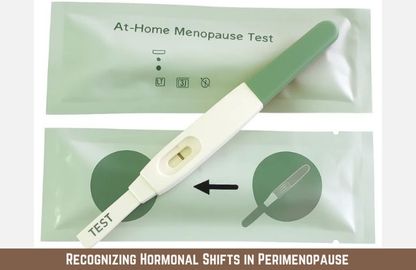
A menopause test kit might look like any other home diagnostic tool, but it’s laser-focused on one key hormone: FSH or follicle-stimulating hormone. This hormone is released by your pituitary gland and plays a big role in regulating the menstrual cycle.
Here’s the science behind it: as your ovaries begin to slow down estrogen production during perimenopause, your body compensates by producing more FSH in an attempt to stimulate the ovaries to produce more estrogen. So, when FSH levels are high, it can indicate that your body is in the early stages of menopause.
Most FSH test kits work by detecting FSH levels in your urine. It’s similar in design to a pregnancy test – you either dip a strip in your urine or use a midstream test, wait a few minutes and then read the result. Depending on the manufacturer, the threshold for a “positive” test (suggesting elevated FSH) is usually around 25 mIU/mL or higher.
It’s important to note, though, that one test might not tell the whole story. Hormone levels can fluctuate day-to-day, especially during perimenopause. That’s why some kits recommend testing on two different days for a more accurate picture.
And don’t worry – using these kits is simple. Most come with clear instructions and FSH test kit manufacturers are now designing products with improved accuracy and easier-to-read results. Some even offer smartphone apps that help track results over time and interpret them in the context of your symptoms.
Menopause Test Kit: Best Time to Use a Menopause Test Kit During Perimenopause
Timing is everything when it comes to using a menopause test kit. To get the most accurate results, it’s typically recommended to test your FSH levels on the third day of your menstrual cycle (if you’re still getting periods). That’s because FSH levels are most stable at this time and provide a clearer indication of where you are in your transition.
If your cycles are irregular or you haven’t had a period in months, you can still test – just understand that results may vary depending on when you test. In these cases, you might need to take the test more than once, spaced a few days or weeks apart, to identify patterns in your FSH levels.
Testing in the morning is also ideal since hormone levels are often highest after waking. Avoid drinking large amounts of fluid before testing, as this can dilute your urine and affect the result.
FSH menopause test distributors often advise women to consider additional factors before testing – such as avoiding hormonal birth control for at least a few weeks, as it can interfere with your results.
If you’re at the point where symptoms are recurring or intensifying or your periods are missing more often than not, that’s the ideal time to test. It’s not just about confirming perimenopause – it’s about validating your experience and using that information to plan the next steps.
FSH Menopause Test Distributor Explains: Understanding Test Results – What Positive, Negative & Borderline Readings Mean
Once you’ve taken your FSH menopause test, the next step is figuring out what the result actually means. The test will typically show one of three outcomes: positive, negative or borderline.
- Positive: This suggests elevated FSH levels, usually over 25 mIU/mL, which may indicate that your body is in perimenopause or even menopause.
- Negative: This means FSH levels are still within the normal range for a premenopausal woman. But don’t let that result fool you – your hormones could still be fluctuating.
- Borderline: This reading falls in the gray area, which often prompts a retest or further consultation with a doctor.
Keep in mind that one test is just a snapshot. FSH levels can spike and drop throughout the month. That’s why some kits suggest testing on two non-consecutive days to confirm consistency.
Regardless of the result, it’s important to track how you feel. If your test comes back negative but you’re dealing with textbook perimenopause symptoms, it might still be worth discussing with your gynecologist. Lab testing, including estrogen and progesterone levels, may be needed to complete the picture.

FSH Menopause Test Warning Signs: When to Consult a Gynecologist Despite Using a Menopause Test Kit
Even the best FSH test kit can’t replace professional medical advice – especially if you’re experiencing concerning or severe symptoms. If your periods suddenly become extremely heavy or last longer than usual, it’s time to see a doctor. Likewise, severe mood swings that impact your daily life shouldn’t be dismissed as “just hormones.”
Another red flag is the onset of symptoms before age 40. This could be a sign of premature ovarian failure and it’s essential to get evaluated with full blood work and possibly imaging. Also, if your cycle stops abruptly for several months, then resumes intensely or you start having unusual pelvic pain, don’t rely on a test kit alone.
A menopause test kit is a helpful first step, but when symptoms are intense, irregular or worrisome, your healthcare provider is your best resource. They can perform comprehensive hormone testing, check for underlying conditions and guide you through treatment options – from lifestyle changes to hormone therapy.
Conclusion
Understanding perimenopause can feel like navigating a maze blindfolded – but tools like a menopause test kit offer a flashlight in the dark. From identifying early hormonal shifts to helping you decide when to consult a gynecologist, knowing how and when to use an FSH menopause test can transform your experience from confusing to empowering. By staying informed and proactive, you can face this new chapter with confidence and clarity.
FAQs About FSH Manopause Test Kit
Perimenopause Symptoms: When to Use a Menopause Test Kit for Early Evaluation
How accurate are menopause test kits during perimenopause?
They’re fairly accurate at detecting elevated FSH, but since hormones fluctuate, multiple tests may be needed for a clearer picture.
Can I use an FSH test kit while on birth control?
It’s not recommended, as hormonal contraception can affect FSH levels and skew results.
Is a positive menopause test kit result enough to confirm menopause?
Not entirely. It should be paired with symptom tracking and possibly blood tests for confirmation.
Where can I find a reliable FSH menopause test distributor?
Many pharmacies and online retailers carry kits from trusted <strong>FSH test kit manufacturers</strong> and <strong>suppliers</strong>.
What if my FSH test is negative but I have symptoms?
Retest after a few weeks or consult a doctor for more in-depth hormone testing.