

Table of Contents
Objective:
To critically evaluate the effectiveness of the Philippine HIV and AIDS Policy Act (RA 11166) five years post-implementation. This article aims to identify the gaps between legislative intent and on-the-ground reality, specifically analyzing the challenges in data collection, the economic burden on the healthcare system, and the cultural barriers hindering prevention among high-risk populations.
Introduction
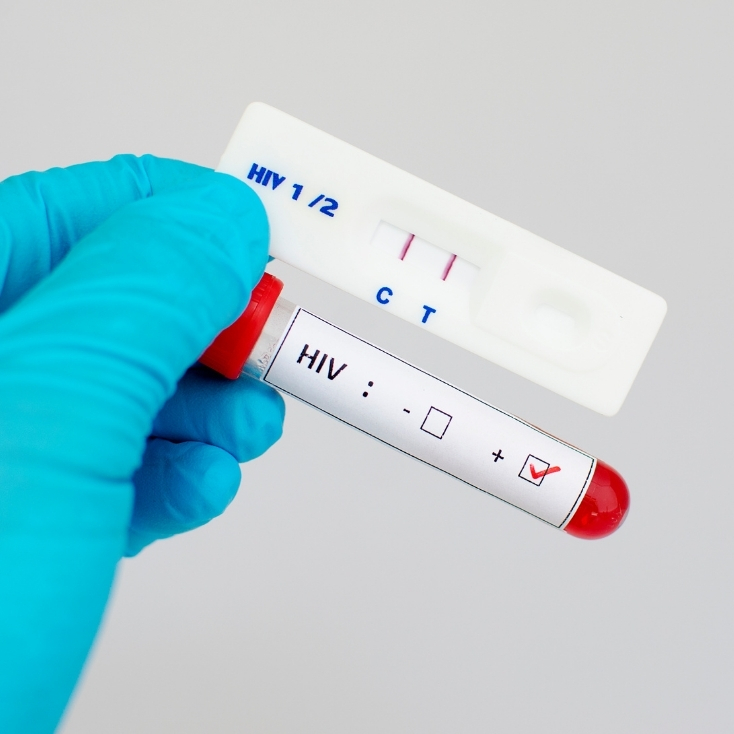
The Philippines faces a unique and alarming challenge in the global health landscape. While many nations report declining infection rates, the country is grappling with a rapidly expanding epidemic that has been described as the fastest-growing in the Asia-Pacific region. Five years after the passage of the Philippine HIV and AIDS Policy Act (RA 11166), the gap between written policy and on-the-ground reality remains a critical point of friction. This article examines the effectiveness of government initiatives, the hidden challenges in data collection, the economic strain on the healthcare system, and the cultural battlegrounds affecting prevention.
Policy vs. Practice: A Legislative Review
How Effective is the Implementation of RA 11166 (HIV and AIDS Policy)?
The Philippine HIV and AIDS Policy Act was hailed as a landmark law designed to update the outdated 1998 legal framework. Its most significant provision was improving access to HIV testing by lowering the age of consent for screening to 15 without parental permission. While this legal barrier has been removed, implementation remains inconsistent. In urban centers like Metro Manila, access to voluntary counseling and testing (VCT) has improved, but rural areas continue to face shortages in testing kits and trained personnel. Public health analysts argue that the effectiveness of recent health policies is often compromised by bureaucratic bottlenecks, preventing resources from reaching the Local Government Units (LGUs) where they are needed most.

Are Confidentiality Protections Encouraging More People to Get HIV Tested?
A major pillar of RA 11166 is the strengthening of confidentiality protections to combat stigma. The law imposes stricter penalties for privacy violations to encourage individuals to seek help without fear of public exposure. However, the social reality often overrides legal assurances. In close-knit Filipino communities, the fear of “being talked about” remains a potent deterrent. Anecdotal evidence suggests that despite the law, many at-risk individuals avoid local clinics due to a lack of trust in privacy protocols, preferring anonymity over accessibility. This disconnect highlights that while the government initiatives are legally robust, the cultural environment has not yet caught up.
Is Government Funding Reaching the Most Critical HIV Prevention Services?
The government has successfully rolled out free antiretroviral medicine (ART) and mobilized services for high-risk populations. However, budget allocation reveals a reactionary rather than proactive approach. The vast majority of funding is directed toward treatment—buying drugs for those already infected—rather than prevention. Innovative prevention methods, such as Pre-Exposure Prophylaxis (PrEP), have seen slow uptake outside of major cities due to limited supply and lack of awareness. Critics point out that without significant investment in specific prevention services, the country will remain trapped in a cycle of treating new infections rather than stopping them.
The Silent Epidemic: HIV Data Collection and Reporting Challenges
How Does the Philippines Measure Up to Global Standards?
The United Nations and the World Health Organization (WHO) have set the “95-95-95” goals: 95% of people living with HIV diagnosed, 95% of those diagnosed on treatment, and 95% of those on treatment virally suppressed. The Philippines is currently lagging behind these targets, particularly in the first “95”—diagnosis. Recent data suggests that a significant portion of the HIV-positive population remains unaware of their status. This gap is fueled by “late presentation,” where patients only seek help when they are already suffering from advanced opportunistic infections, skewing the data and making the epidemic appear smaller than it effectively is.

What Are the Challenges in Tracking High-Risk Populations?
Data gathering is further complicated by the mobility of transient, high-risk populations. Key demographics, such as seasonal workers and young professionals, often move between provinces, leading to fragmented medical records. This mobility makes it difficult for health officials to maintain a “continuum of care” or accurately map infection hotspots. Without centralized and consistent data, global awareness of the true scale of the Philippine crisis remains limited, and projected increases in cases may be underestimated.
Financial Strain: The Economic Burden on Healthcare and Families
What Is the Cost of Lifetime HIV/AIDS Treatment?
The economic implications of a lifetime chronic illness are staggering. While PhilHealth covers a significant portion of outpatient HIV/AIDS treatment, the costs of co-morbidity management—treating associated conditions like tuberculosis or pneumonia—often fall on the patient. As the number of confirmed cases rises, the total cost of screening and providing lifetime ART treatment is placing an immense strain on the national health insurance fund.
How Does HIV/AIDS Impact Household Finances?
For affected families, the burden is not just medical but economic. The loss of productivity due to illness, combined with out-of-pocket expenses for transportation, supplements, and non-covered medical needs, can be financially catastrophic. As the epidemic shifts toward younger demographics (often the primary breadwinners), the increasing cases threaten to push vulnerable households into poverty. This financial strain highlights the urgent need for a more comprehensive economic safety net for people living with HIV.
Faith, Education, and Prevention: Navigating Cultural Hurdles
How Do Conservative Attitudes Limit HIV Prevention Efforts?
The Philippines’ strong religious heritage plays a complex role in the HIV response. While faith-based organizations provide essential care and support, conservative attitudes often clash with modern prevention strategies. The promotion of condom use and safe sex practices is frequently met with resistance, limiting the government’s ability to launch aggressive, nationwide prevention campaigns. This cultural tension creates a “prevention gap” where scientific solutions are available but socially restricted.
Is Comprehensive Sexuality Education (CSE) Reaching the Youth?
Perhaps the most critical battleground is in schools. The Department of Education has integrated Comprehensive Sexuality Education (CSE) into the curriculum, but its implementation is uneven. Many educators, influenced by personal or religious beliefs, dilute the material or skip sensitive topics entirely. This lack of frank, open discussion leaves the youth aged 15 to 24—the demographic with the fastest-rising infection rates—ill-equipped to protect themselves. Without a standardized, fact-based approach to education, the cycle of misinformation and infection is likely to continue.
FAQs
What is the main purpose of RA 11166?
It aims to update the country's legal framework for HIV/AIDS by improving access to healthcare, lowering the age of consent for testing to 15, and strengthening confidentiality laws to reduce stigma.
Why are HIV cases still rising in the Philippines?
Despite the new law, challenges remain, including inconsistent access to testing in rural areas, social stigma that discourages testing, and a lack of open sex education for the youth.
Is HIV treatment free in the Philippines?
Yes, the government provides free Antiretroviral Therapy (ART) through designated treatment hubs. However, patients often face out-of-pocket costs for treating related illnesses (co-morbidities) and transportation.
What are the "95-95-95" goals?
These are UN/WHO targets: 95% of people with HIV diagnosed, 95% of those diagnosed on treatment, and 95% of those on treatment virally suppressed. The Philippines is currently lagging in the diagnosis and suppression targets.
How does religion affect HIV prevention in the country?
Conservative religious influence often limits the scope of sex education in schools and discourages the public promotion of condoms, creating a gap in prevention awareness among young people.
Conclusion
The next five years will be a defining moment for the Philippines’ battle against HIV. Unless the government and civil society urgently bridge the gap between the promises of RA 11166 and the reality on the ground, the country faces a catastrophic strain on its healthcare system and economy. However, if data blind spots are illuminated, funding is secured, and cultural stigmas are dismantled, it is possible to reverse the current trend. The law provides the necessary blueprint, but only immediate, collective action can turn it from a document into a lifeline.