

Table of Contents
The Philippines is currently grappling with one of the fastest-growing HIV epidemics in the Asia-Pacific region, a public health emergency that has disproportionately impacted the country’s youth. While global trends have seen a stabilization or decline in new infections, the Philippines has charted a different course, with new cases rising exponentially. At the heart of this surge is a demographic crisis: a significant percentage of new infections are occurring among Filipinos aged 15 to 24. This “youth bulge” in the epidemiological data highlights a perfect storm of biological vulnerability, digital transformation, and systemic barriers to comprehensive sexual health education.
The Epidemiology of a Youth-Driven Epidemic
Recent surveillance data indicates that the face of HIV in the Philippines is getting younger. In the first quarter of 2025 alone, roughly one-third of all newly diagnosed cases were attributed to the 15–24 age group. When the scope is widened to include young adults up to 34, this combined cohort accounts for the vast majority of new infections.
The primary mode of transmission remains sexual contact, specifically among males who have sex with males (MSM). However, the speed of transmission in this age group is accelerated by low rates of condom use and the biological reality that younger individuals often have higher viral loads during the acute phase of infection, making them more infectious if untreated. To combat this, early detection is critical. Public health experts emphasize the importance of using advanced diagnostic tools, such as the HIV 1&2 4th Generation Test, which can detect both antibodies and the p24 antigen, allowing for diagnosis much earlier than older screening methods.

The Digital Accelerator: Dating Apps and Sexual Networks
This generation of Filipino youth is the first to navigate their sexual lives almost entirely online. The proliferation of location-based dating apps and social media platforms has drastically reduced the “search cost” for sexual partners, facilitating rapid partner turnover and dense sexual networks.
While these platforms have revolutionized social connection, they have also outpaced public health messaging. Young people can arrange anonymous encounters in minutes, often without discussing HIV status or safety. In this high-speed environment, the window for prevention is narrow. Health advocates suggest that integrating access to Confidential HIV Testing directly into these digital spaces—such as offering vouchers for testing kits within apps—could bridge the gap between online risk and offline care.
The Education Gap: A Systemic Failure
Despite the implementation of the Reproductive Health Law, Comprehensive Sexuality Education (CSE) remains inconsistent across the Philippine archipelago. Cultural conservatism and opposition from religious groups have often resulted in sanitized curricula that prioritize abstinence over pragmatic risk reduction. Consequently, many young Filipinos enter their sexually active years with significant knowledge gaps regarding transmission risks and prevention strategies.
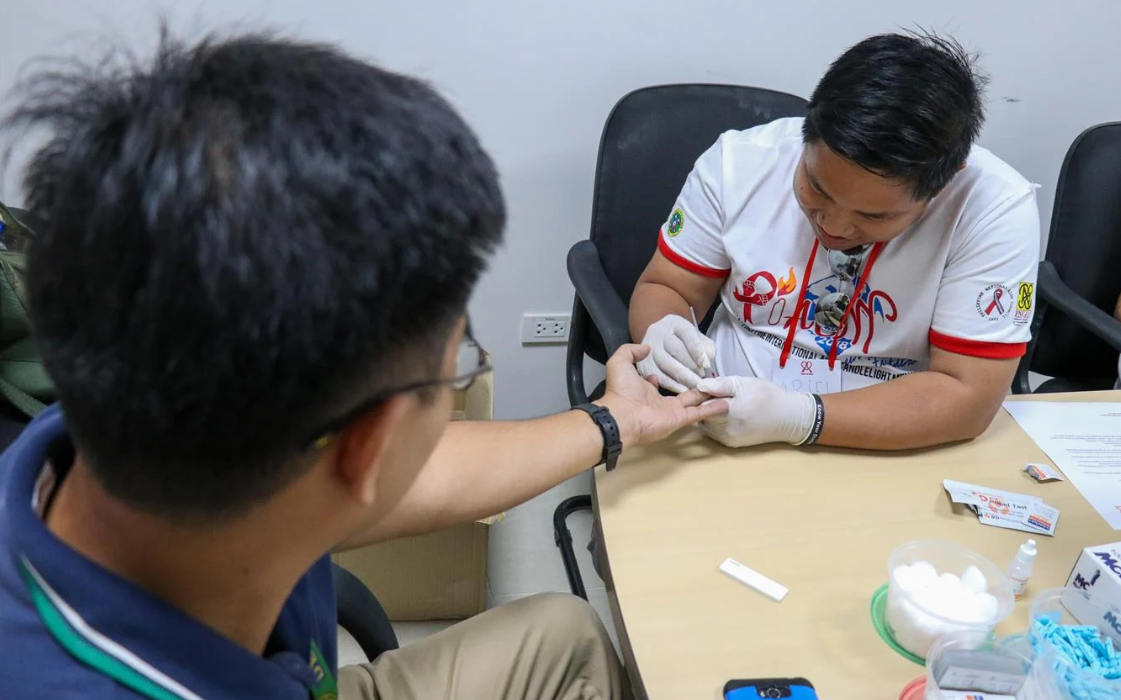
This lack of education fosters stigma. Young people often fear that being seen at a public clinic is an admission of promiscuity. This fear is a major barrier to uptake for standard screening methods like the HIV Tri-Line Rapid Screen Test. Without accurate information, many youth are unaware that modern testing options, including the HIV Ab/Ag (4th) Rapid Test, are available and can provide peace of mind quickly.
Barriers to Access: The Legal and Logistical Maze
In 2018, the Philippines passed Republic Act 11166, lowering the age of consent for voluntary HIV testing from 18 to 15. This was a landmark legislative victory intended to empower minors to take charge of their health. However, implementation on the ground has been uneven. Many clinics still mistakenly require parental consent, or young people simply do not know their rights.
Furthermore, the logistics of visiting a “Social Hygiene Clinic” can be intimidating. The clinical setting, often associated with government bureaucracy, acts as a psychological deterrent. This has driven a surge in demand for more private, accessible solutions, such as HIV Testing at Home. The availability of an instant home HIV test kit allows young people to bypass the anxiety of a clinic waiting room entirely.

The Future of Prevention: Innovation in Testing
To address the youth crisis effectively, the healthcare infrastructure must pivot toward convenience and privacy. Innovations in testing technology are playing a crucial role. For instance, the Oral HIV Test, which uses a swab of the gums rather than a finger prick, is viewed as less invasive and more acceptable to younger first-time testers. Manufacturers and distributors are increasingly focusing on making the HIV Oral Swab Test widely available to encourage frequent screening.
Ensuring the quality of these supplies is equally vital. With the market expanding, relying on a reputable HIV Test Kit manufacturer is essential to ensure results are accurate. Health departments and NGOs are prioritizing the procurement of WHO PQ LISTED HIV 1&2 RAPID TEST kits to guarantee that decentralized testing initiatives meet international diagnostic standards.
Ultimately, reversing the trend among Filipino youth requires a multi-faceted approach. It demands a healthcare system that upholds the privacy of minors, a robust supply chain from every major HIV TEST KIT SUPPLIER, and a societal shift that normalizes HIV Screening Test procedures as a standard part of youth healthcare rather than a marker of deviance. Only by meeting young people where they are—online, in their homes, and in safe community spaces—can the Philippines hope to stem the tide of this rapidly expanding epidemic.