

Table of Contents
AI Summary:
Hepatitis B continues to be a significant health challenge in rural Saint Lucia, where the disease affects both individual health and the economic well-being of families. This article explores the impact of Hepatitis B on rural communities, addressing the economic strain, lack of public health infrastructure, the vulnerability of the elderly and the risks associated with co-infections. It also highlights the importance of rapid Hepatitis B testing, early intervention and community-based solutions to help mitigate the disease’s spread and improve public health outcomes.
 Call Now!
Hepatitis B: Causing Economic Strain on Rural Families in Saint Lucia
As more people in rural Saint Lucia are diagnosed with Hepatitis B, the economic impact on families grows significantly. Treatment costs, coupled with lost productivity due to illness, add financial strain on already vulnerable households. For many rural families, accessing affordable healthcare and medications for Hepatitis B is a considerable challenge. The need for regular testing, treatments like antivirals and hospital visits creates financial pressure, as many individuals face periods of disability that affect their ability to work. This economic strain could be alleviated through improved access to affordable Hepatitis B testing and early medical interventions, ultimately reducing the long-term financial burden on families.
How Can Limited Public Health Surveillance Systems Impact Hepatitis B in Rural Saint Lucia?
Rural Saint Lucia faces the challenge of limited public health surveillance systems, leading to a significant number of undiagnosed Hepatitis B cases. The absence of comprehensive testing and monitoring exacerbates the spread of the disease, as people may remain unaware of their condition until severe complications arise. The lack of accurate data hampers public health efforts, making it difficult to allocate resources effectively. Expanding rapid Hepatitis B testing in rural communities would help address this issue, ensuring better tracking, early detection and improved management of the disease. Community-based testing programs and outreach initiatives are essential for filling this gap in healthcare.
Read our Article
iCARE Hepatitis B & C Virus Rapid Test KitHepatitis B Rapid Test: Why is the Growing Number of Elderly in Rural Areas at Increased Risk?
The elderly population in rural areas is particularly at risk for Hepatitis B due to various factors, including weakened immune systems and limited access to preventive care. Older individuals often face greater difficulties in accessing healthcare, which can delay diagnosis and treatment. Furthermore, as people age, their immune response diminishes, making it harder for their bodies to fight infections like Hepatitis B. Early testing and intervention are critical to preventing serious complications such as liver cirrhosis or liver cancer in this age group. Awareness campaigns tailored to the elderly population, coupled with increased availability of Hepatitis B rapid test kits, can significantly improve health outcomes.
What is the Impact of Hepatitis B on Chronic Liver Disease in Rural Saint Lucia?
Hepatitis B is a leading cause of chronic liver diseases, such as cirrhosis and liver cancer, which are becoming more prevalent in rural Saint Lucia. As more individuals in these communities develop these conditions, the demand for early detection and treatment increases. Chronic liver disease not only affects the individual but also places a considerable strain on the healthcare system. With better access to Hepatitis B blood tests, early detection could prevent the progression of the disease and reduce the incidence of long-term complications. Early intervention is crucial to manage the disease and improve the quality of life for those affected.
Hepatitis B Testing: How Do Transportation Barriers Affect in Rural Areas?
In rural Saint Lucia, transportation remains a major barrier to accessing healthcare, including Hepatitis B testing. Many rural communities are located far from urban health centers and limited transportation options make it difficult for individuals to reach these centers for testing and treatment. To address this, mobile health units and community-based clinics that offer rapid Hepatitis B tests can play a crucial role in improving access to healthcare. By bringing testing services directly to rural areas, these initiatives ensure that individuals who would otherwise face transportation challenges can get tested and receive necessary treatments, ultimately reducing the spread of the virus in these communities.
Our Other Product
iCARE Malaria (Pf/Pv) Rapid Screen TestHepatitis B Test Kit: What Role Does Co-Infection Play in Rural Saint Lucia?
In rural areas, the incidence of co-infections, such as HIV, is often higher, which can make Hepatitis B more dangerous. When someone is infected with both Hepatitis B and HIV, the progression of liver disease is often accelerated and the risk of complications increases significantly. Early detection through Hepatitis B rapid testing allows healthcare providers to identify co-infected individuals and provide simultaneous treatment for both conditions. This integrated approach to healthcare can significantly improve the health outcomes for individuals dealing with multiple infections, reducing the risks of severe liver damage and other health complications.
How Does Hepatitis B Affect Birth Rates and Newborns in Rural Saint Lucia?
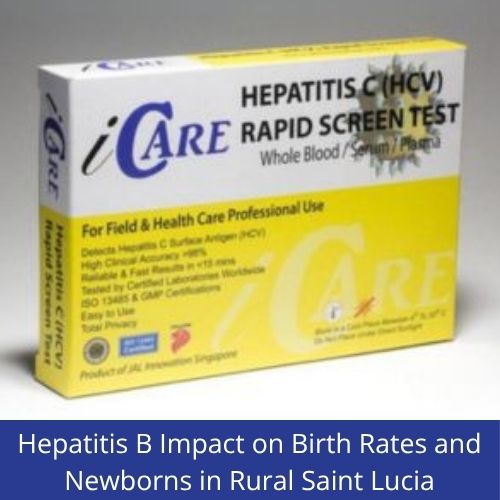
Rural areas in Saint Lucia tend to have higher birth rates and the risk of Hepatitis B transmission during childbirth is a significant concern. If a pregnant woman is infected with Hepatitis B, there is a high chance that the virus can be transmitted to her newborn during delivery. Universal screening during pregnancy, as well as administering the Hepatitis B vaccine to newborns, can significantly reduce the risk of mother-to-child transmission. Additionally, providing Hepatitis B test kits for pregnant women ensures that those who are infected receive timely antiviral treatment, lowering the chances of passing the infection to their child and improving overall public health outcomes.
How Can Hepatitis B Testing Contribute to Economic Opportunities in Rural Areas?
Offering Hepatitis B rapid testing in rural Saint Lucia can create economic opportunities by attracting international funding, grants and investments in healthcare. Demonstrating a proactive approach to addressing Hepatitis B testing can enhance the reputation of rural communities and increase the chances of securing resources for broader health initiatives. Furthermore, promoting Hepatitis B awareness and rapid testing can lead to a healthier workforce, boosting productivity and economic stability. Improved healthcare in rural areas could also encourage the growth of industries like tourism, as healthier communities create safer environments for both residents and visitors.
Read our Article
How Hepatitis B Home Test Kits Are Saving Lives in Kazakhstan?How Can Hepatitis B Impact Tourism and Trade in Rural Saint Lucia?
Saint Lucia’s rural areas depend on tourism and local trade for economic stability. However, undiagnosed Hepatitis B cases can act as a barrier to the growth of these industries. Visitors to these areas may be concerned about their health and the overall safety of the environment, which can discourage tourism. Similarly, undiagnosed Hepatitis B cases may affect local businesses and workers who interact with tourists. Promoting Hepatitis B awareness and encouraging rapid testing within the local community can help ensure that these areas remain healthy and welcoming to visitors, thus supporting both the tourism and trade sectors.
 Email Us Today!
Why Choose Jal Medical for Hepatitis B Testing Solutions?
Jal Medical is a leading manufacturer and distributor of advanced diagnostic solutions, including Hepatitis B core antigen tests. With a strong focus on innovation, Jal Medical offers reliable, high-quality diagnostic tools designed for rapid results. Their products, such as the Hepatitis B rapid screen test and HBsAg test kits, provide quick and accurate results, essential for early detection and intervention. By providing cutting-edge testing solutions, Jal Medical is committed to improving healthcare access and outcomes in both urban and rural areas across Saint Lucia.
Conclusion
Addressing the growing challenge of Hepatitis B in rural Saint Lucia requires a multifaceted approach that includes expanding access to rapid testing, improving healthcare infrastructure and raising awareness within the community. The economic strain on rural families, the lack of public health surveillance and the vulnerability of the elderly all highlight the urgent need for action. By focusing on early detection and treatment and leveraging mobile health units and local leaders, it is possible to mitigate the impact of Hepatitis B on these communities. Moreover, taking proactive steps to reduce the spread of the virus can help secure healthier communities and a more stable economy, benefiting both the residents of rural Saint Lucia and the broader nation.
Through sustained efforts, Saint Lucia can combat the Hepatitis B epidemic, improving both health outcomes and the overall well-being of its rural populations.
Our Other Product
iCARE Dengue (IgM & IgG) Tri-line Rapid Screen TestFAQs on Hepatitis B Testing
What is Hepatitis B and how is it transmitted?
Hepatitis B is a viral infection that affects the liver, transmitted through blood, semen and other bodily fluids.
How can rapid Hepatitis B testing help in rural areas of Saint Lucia?
Rapid testing allows for quick diagnosis and early intervention, reducing the spread of the disease in rural communities.
What are the symptoms of chronic Hepatitis B?
Symptoms can include fatigue, jaundice, abdominal pain and long-term liver damage if not treated.
How can leaders promote Hepatitis B testing in Saint Lucia?
Local leaders can organize awareness campaigns and encourage community participation in testing programs.
What is the role of mobile clinics in rural areas of Saint Lucia?
Mobile clinics provide accessible Hepatitis B testing in remote areas where healthcare facilities are scarce.